Long lasting dog chews are a popular way to keep dogs occupied, offer a tasty reward and satisfy natural chewing instincts. This guide explains the main types of long lasting chews, how to choose one for your dog, safety and storage tips, plus when to stop and alternatives to try. Examples link to natural chews available at Jasper’s Treat Shop so you can explore options that suit your dog.
What counts as a long lasting chew?
There’s no formal definition, but most owners use the term for chews that take a dog a while to finish compared with small soft treats. These are often single-ingredient or minimally processed natural items — for example, dried ears, tripe sticks, or thicker collagen braids — that dogs can gnaw on for an extended period.
Common types you’ll see
- Air-dried ears and strips — e.g. pig or lamb ears. At Jasper’s Treat Shop you can find Air Dried Pigs Ear Strips for Dogs and Lamb Ears with Fur for Dogs, both listed in the natural/long lasting categories.
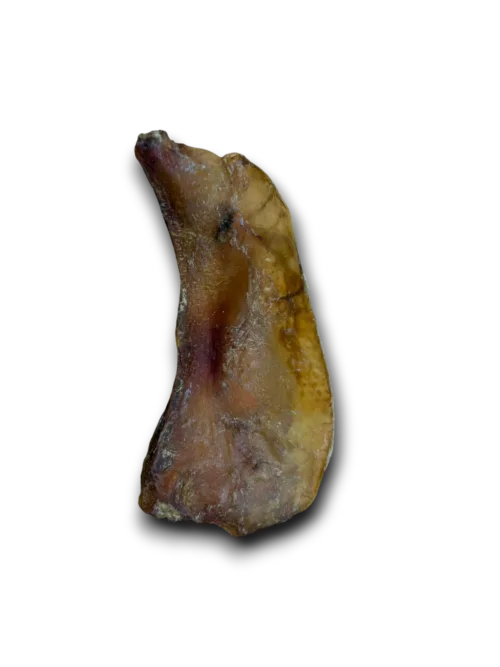
- Sow or pig ears — often sold as a single chew. The shop lists Sow Ears for Dogs – 100% Natural Pork Dog Chews in the Long Lasting Dog Chews category.
- Dried tripe and organ chews — such as beef tripe sticks, which are natural chews that some dogs enjoy for longer sessions.
- Braided or collagen chews — examples include braids made from buffalo collagen. Jasper’s list includes Naturals Buffalo Collagen Braided Rings among the natural treats.
These items vary in texture and durability; what lasts longest depends on the chew’s size, thickness and your dog’s chewing style.
Choosing the right chew for your dog
Match chew size to dog size
Pick a chew that is large enough that your dog can’t fit the whole thing in their mouth or swallow it in a single gulp. Small chews for large dogs increase choking risk; oversized chews for tiny dogs can be hard to manage.
Consider chewing style
Some dogs are gentle gnawers, others are powerful chewers that break chews into pieces quickly. If your dog tends to destroy items fast, choose denser, thicker chews and always supervise the first session to see how they cope.
Check for allergies and sensitivities
If your dog has known food allergies (for example to pork, beef or grains), choose chews that avoid those proteins. Jasper’s Treat Shop lets you browse by protein type and by attributes such as grain-free — useful when narrowing options.
Age and dental status
Puppies with emerging adult teeth and older dogs with dental issues need gentler options. Very hard chews can crack teeth. If your dog has broken or missing teeth, choose softer long lasting chews or shorter supervised chewing sessions.
Safety first: supervising and serving chews
Always supervise the first chew
Give a new chew while you’re nearby to check how your dog handles it. Note whether they swallow large pieces or manage by nibbling away. If they tend to gulp, opt for larger, more durable options or break chews into smaller supervised pieces.
Watch for small, sharp fragments
Some chews can splinter into sharp fragments. If a chew produces small pieces, take it away before your dog can swallow them. Discard heavily chewed fragments rather than leaving them in a bowl.
Choking and emergency signs
If your dog shows signs of choking, severe distress, persistent gagging or an inability to breathe, seek immediate veterinary attention. For any concerning swallowing incident, contact your vet for advice promptly.
Introducing a new chew: step-by-step
- Offer the chew for a short supervised session and watch how your dog approaches it.
- If they’re gentle, allow slightly longer sessions. If they try to swallow large pieces, remove the chew and swap to a more suitable option.
- Limit session length at first — 10–20 minutes is a reasonable starting point for many dogs — and increase gradually if the chew is handled safely.
- Always remove and replace chews that become small enough to be swallowed whole.
Storage, hygiene and reuse
Store chews in a cool, dry place away from direct sunlight. Use an airtight container once opened to keep them fresh and to avoid attracting pests. If a chew becomes mouldy, excessively soft or develops an off smell, discard it. For chews that can be reused across sessions, wipe down the dog’s bowl or mat afterwards to keep the area clean.
How often to give long lasting chews
Frequency depends on the chew’s size, your dog’s overall diet and how they respond. Long lasting chews are treats and should be part of a balanced feeding plan. Many owners reserve them for enrichment, training rewards or as a way to occupy a dog during specific activities (for example, when guests visit). If you have questions about how chews fit into your dog’s diet, discuss this with a qualified pet nutrition adviser or your vet.
Signs a chew isn’t right for your dog
- Your dog swallows large chunks or the chew shatters into sharp pieces.
- Your dog experiences vomiting, persistent diarrhoea or appears unwell soon after chewing — contact your vet if this happens.
- The chew becomes a frequent source of stress, possessiveness or guarding behaviour; consult a qualified trainer or behaviourist for guidance.
Alternatives and enrichment ideas
If long lasting chews aren’t suitable, try other activities that provide similar mental stimulation:
- Food-dispensing toys filled with appropriate treats or kibble
- Short supervised puzzle games that reward calm, focused behaviour
- Rotation of different safe chew textures so the novelty lasts longer
Examples from Jasper’s Treat Shop
If you’d like to explore actual products, Jasper’s Treat Shop has a Long Lasting Dog Chews category you can browse. Examples available on the site include Sow Ears for Dogs – 100% Natural Pork Dog Chews and other natural dog chews such as Lamb Ears with Fur for Dogs, Air Dried Pigs Ear Strips for Dogs and Beef Tripe Sticks for Dogs. These give a flavour of the kinds of natural chews owners choose — read product pages for details and to decide what best suits your dog’s size and chewing style.
Quick checklist before you give a long lasting chew
- Is the chew size appropriate for your dog?
- Have you supervised the first session?
- Is the chew in good condition (no mould or odd smell)?
- Will you remove the chew when small enough to be a swallow risk?
- Does it avoid any known allergens for your dog?
Final thoughts
Long lasting dog chews can be a useful source of enrichment when chosen and used with safety in mind. Matching the chew to your dog’s size and chewing style, supervising sessions, storing chews properly and knowing when to remove them will help you get the best from these treats. If you’re unsure which option to try first, browse the Long Lasting Dog Chews and Natural Dog Chews categories at Jasper’s Treat Shop for ideas, and always keep an eye on your dog whenever they’re chewing.
Frequently asked questions
Are long lasting chews safe for all dogs?
Many dogs enjoy long lasting chews, but not all chews suit every dog. Match chew size and hardness to your dog’s size, age and chewing style. Supervise the first session and stop giving a chew if it breaks into small or sharp pieces. If you’re unsure whether a specific chew is suitable for your dog, consult a vet or qualified trainer for tailored advice.
How do I stop my dog from swallowing large pieces?
Choose larger, more durable chews and supervise chewing sessions. If your dog repeatedly swallows large pieces, remove that type of chew and try a different texture or size. Shorter supervised sessions can also reduce the risk.
How often should I give long lasting chews?
There’s no one-size-fits-all schedule. Use them as occasional enrichment or rewards, and factor them into your dog’s overall diet. If you have concerns about calories or how chews fit with your dog’s nutrition, speak to a qualified pet nutrition adviser or your vet.
What should I do if my dog chokes or has difficulty breathing?
If your dog is choking or in severe distress, seek emergency veterinary help immediately. For any swallowing incident that worries you — such as persistent vomiting or signs of pain — contact your vet for advice promptly.
Where can I find long lasting chews at Jasper’s Treat Shop?
Browse the Long Lasting Dog Chews and Natural Dog Chews categories on the Jasper’s Treat Shop website. Product pages include options such as Sow Ears for Dogs – 100% Natural Pork Dog Chews, Lamb Ears with Fur for Dogs and Air Dried Pigs Ear Strips for Dogs.
