Quick answer
Yes, many dogs enjoy fish treats and they can be a useful addition to your treat box—provided you choose quality products and introduce them carefully. Like any treat, fish options suit some dogs better than others. Read on for practical guidance about types, safety and how to feed fish treats sensibly.
What are fish treats?
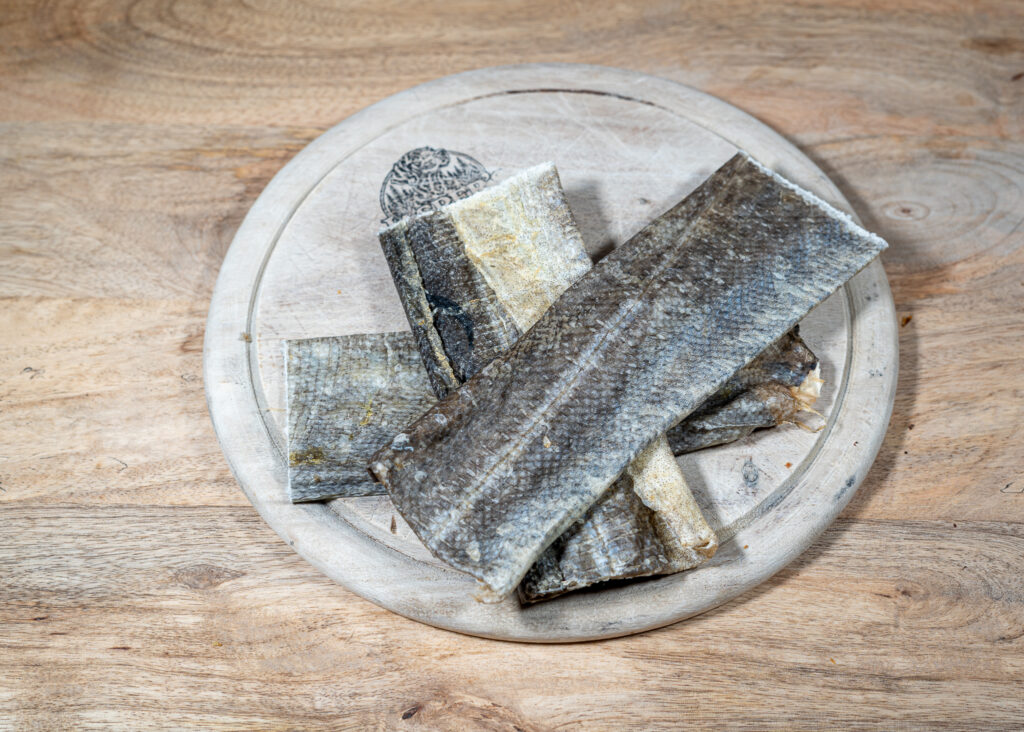
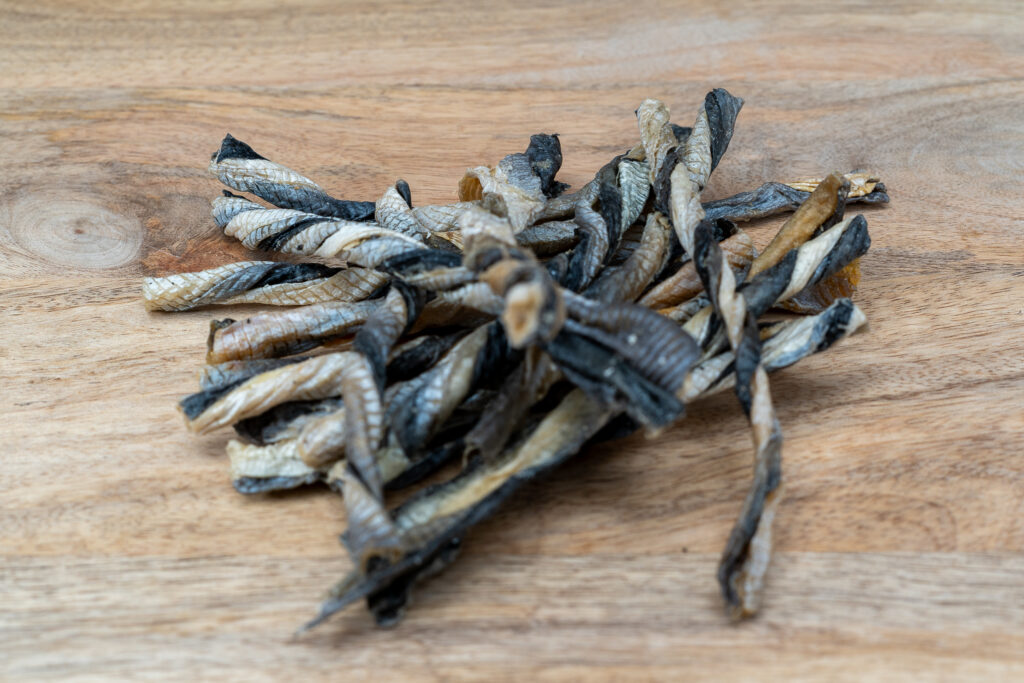
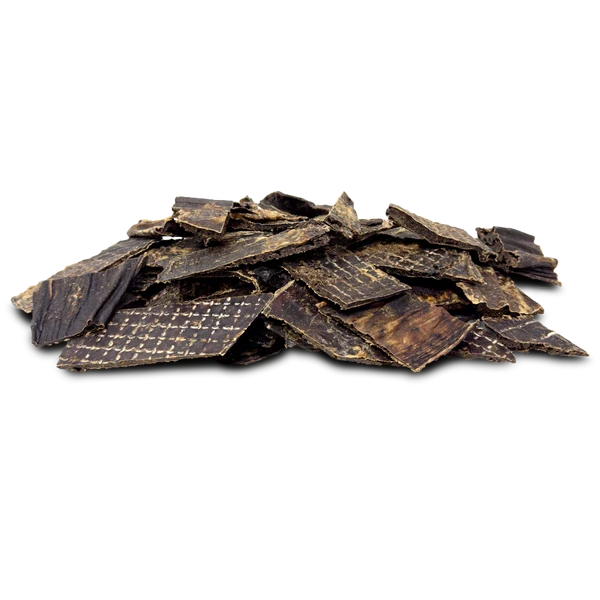
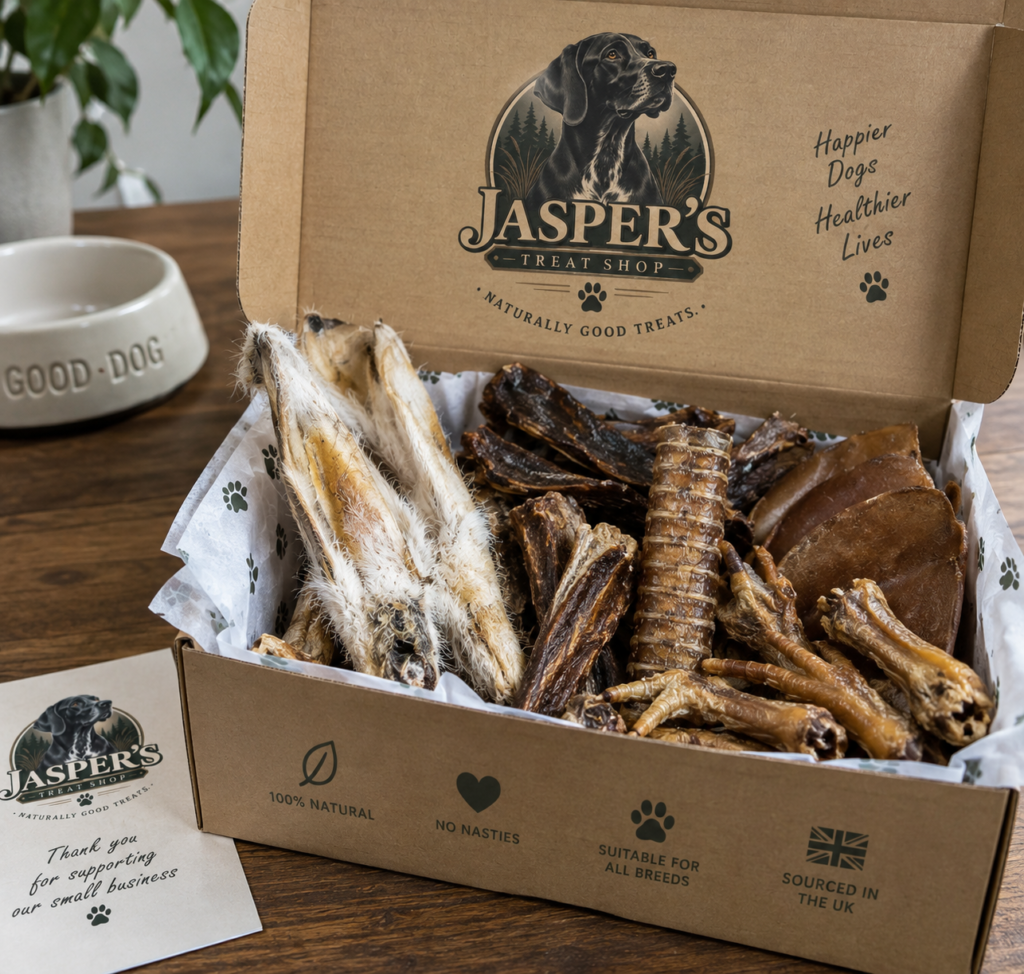
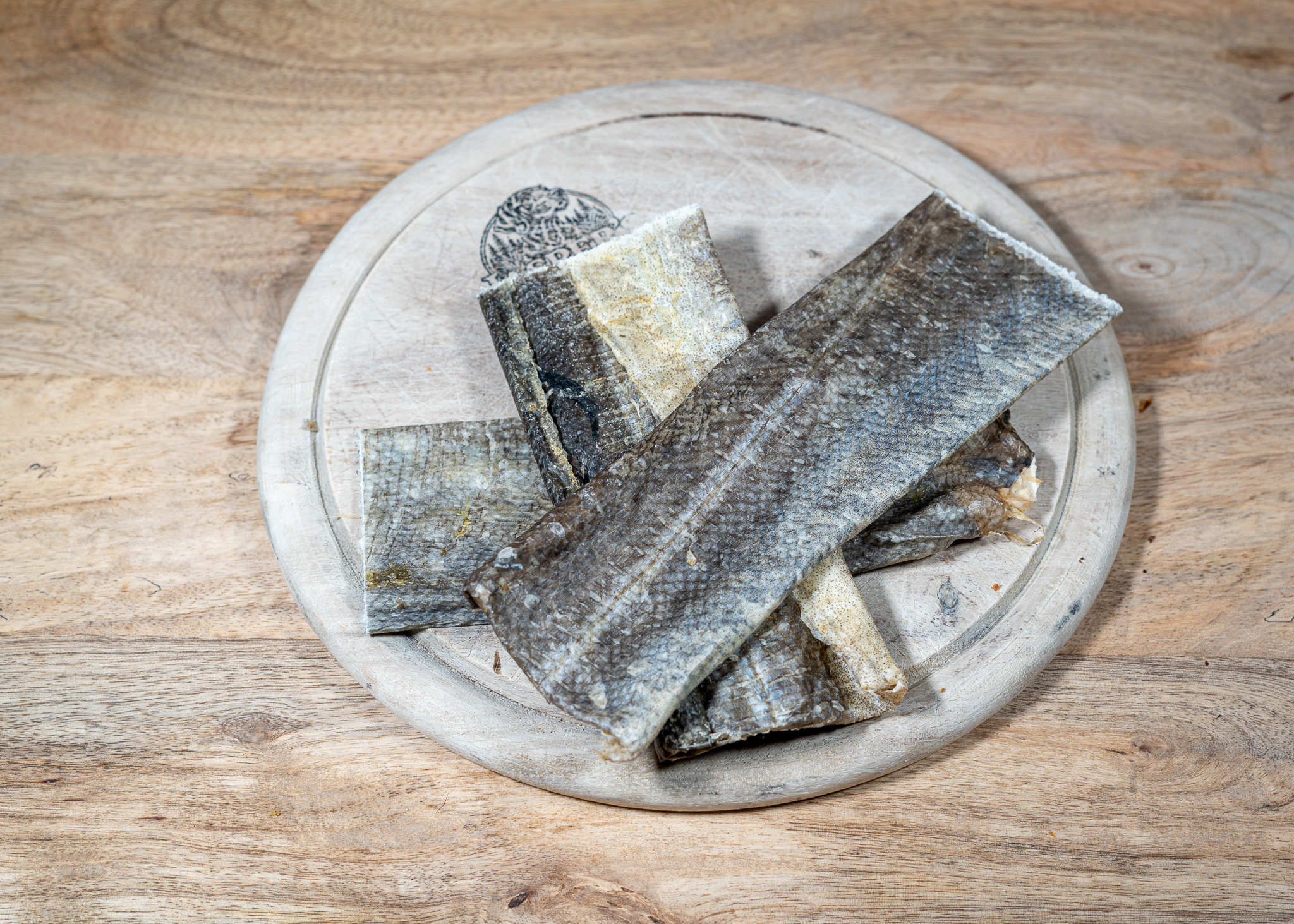
Fish treats come in several forms: dried fish skin twists and flatties, air-dried or dehydrated fish pieces, and mixed treat boxes that include fish alongside other proteins. These are usually sold as single-ingredient or minimally processed chews that dogs find highly palatable. Examples available at Jasper’s Treat Shop include Fish Skin Flatties and Fish Skin Twists, and there’s also a Surf & Turf treat box that mixes fish and meat treats.
Why owners choose fish treats
- Highly appealing smell and taste: Dogs that are less interested in other proteins often take quickly to fish treats.
- Novel protein option: If your dog has previously struggled with common proteins, fish treats can be an alternative to try — but check with your vet before changing a problematic diet.
- Great for training and enrichment: Soft or easily broken fish treats work well as high-value rewards during training; firmer fish skins can provide a chewy, longer-lasting option for enrichment.
Potential risks and things to consider
As with any treat, there are a few practical considerations:
- Allergies and sensitivities: Some dogs are allergic to fish. Introduce new treats slowly and stop if you see itching, vomiting, diarrhoea or other signs of a reaction. If your dog has a known food allergy, speak to your vet first.
- Richness and digestion: Fish treats can be oilier than lean meats. If your dog has a sensitive stomach, introduce a small amount and watch for changes in appetite or stool.
- Size and choking risk: Break treats into suitably sized pieces for puppies and small breeds and always supervise when giving chewy pieces that could become a choking hazard.
- Bone fragments: Avoid giving treats that contain hard, small fish bones unless they are specifically processed to be bone-free; if unsure, choose products from reputable sellers and read the product information carefully.
- Sourcing and contaminants: Like all animal-sourced foods, fish can vary in origin. Choose treats from transparent suppliers and reputable brands; if you have concerns about heavy metals or contaminants, ask the manufacturer or your vet.
How to choose fish treats
- Check the ingredient list: Single-ingredient fish treats (e.g. 100% fish skin) are simple and easy to assess. Avoid treats with unnecessary additives or high levels of salt and sugar.
- Consider processing: Air-dried, dehydrated or baked fish treats are common. Each has a different texture — softer treats are good for training, firmer chews are better for longer-lasting chewing.
- Size and pack options: Choose a pack size and treat size appropriate for your dog. Smaller pieces are better for tiny breeds and training; larger strips suit bigger dogs.
- Transparency and labelling: Buy from suppliers that clearly list ingredients and processing methods. If you need more detail, contact the seller for clarification.
Introducing fish treats to your dog
- Start with a very small piece and offer it while your dog is calm. Wait and observe for 24–48 hours for any adverse reaction.
- If you’re using fish treats for training, break them into small, manageable pieces so you can give multiple rewards without excessive calories.
- Monitor stool and appetite. If you notice persistent diarrhoea, vomiting or changes in behaviour, stop the treats and consult your vet.
- Rotate treats. As with all treats, variety helps avoid overexposure to one protein and keeps your dog interested.
Feeding frequency and portion control
Treats should be a small part of your dog’s overall intake. How often you give fish treats depends on their size, energy needs and the treat’s calorie density. For training, use tiny pieces; for enrichment, offer larger chews less frequently. If you’re unsure how treats fit into your dog’s diet, check with a veterinary professional or a qualified canine nutritionist.
Storage and handling
- Keep fish treats sealed in a cool, dry place to preserve freshness and avoid odours spreading around your home.
- Follow any storage instructions on the product packaging; if a treat becomes mouldy, discoloured or develops an off smell, discard it.
- Wash your hands after handling strong-smelling treats and clean feeding areas regularly.
When to avoid fish treats
Avoid fish treats if your dog has a known fish allergy, a history of severe food reactions, or a digestion condition where fatty foods trigger symptoms—always check with your vet before introducing new foods in these situations. Also be cautious with very young puppies; soft, easily chewable treats are usually better for training young dogs.
Choosing fish treats at Jasper’s Treat Shop
If you’d like to browse fish-based options, Jasper’s Treat Shop lists fish treats and related boxes. Examples you might consider inspecting include Fish Skin Flatties and Fish Skin Twists, and the Surf & Turf Dog Treat Box for a mix of fish and meat treats. Always read each product’s page for specific product details before buying.
Bottom line
Fish treats can be a tasty, effective addition to your dog’s treat selection — especially for fussy eaters or as a novel protein option. Choose well-made products, introduce them slowly, supervise chewing and check with your vet if your dog has health issues or known allergies.
FAQs
Are fish treats suitable for puppies?
Some fish treats are fine for puppies if they’re soft and sized appropriately, but very young puppies (under about 12 weeks) have different dietary needs. Use small, soft training treats for young pups and check product recommendations or ask your vet if you’re unsure.
Can fish treats cause allergies?
Yes — as with any protein, some dogs can be allergic or sensitive to fish. Introduce new treats slowly and stop if you notice itching, digestive upset or other reaction. Speak to a vet for guidance if you suspect an allergy.
How often can I give my dog fish treats?
There’s no one-size-fits-all answer. Keep treats to a small proportion of daily calories and adjust frequency according to your dog’s size and needs. For training, break treats into tiny pieces so you can reward frequently without overfeeding.
Do fish treats smell badly?
Fish treats can be odorous — that’s part of why many dogs love them. Store them sealed in their packet or an airtight jar to control smells, and wash hands after handling if needed.
Are all fish treats safe to give daily?
Not necessarily. Some fish treats are richer or oilier than others; daily feeding should be considered in the context of your dog’s overall diet and health. For routine daily chews, choose appropriate-sized, low-additive options and consult a vet if unsure.
Frequently asked questions
Are fish treats suitable for puppies?
Some fish treats are fine for puppies if they’re soft and sized appropriately, but very young puppies have specific dietary needs. Use small, soft training treats for young pups and check product guidance or ask your vet if unsure.
Can fish treats cause allergies?
Yes — as with any protein, some dogs can be allergic or sensitive to fish. Introduce new treats slowly and stop if you notice itching, vomiting, diarrhoea or other reactions. Speak to a vet for advice if you suspect an allergy.
How often can I give my dog fish treats?
Treat frequency depends on your dog’s size, activity level and diet. Keep treats to a small proportion of daily calories and use tiny pieces for training so you can reward often without overfeeding.
Do fish treats smell badly?
Fish treats can be quite odorous, which many dogs find appealing. Store them sealed in their packet or an airtight container to reduce smells and wash hands after handling if needed.
Are all fish treats safe to give daily?
Not necessarily. Some fish treats are richer or oilier than others. Consider your dog’s overall diet and health before feeding daily; consult your vet if unsure.