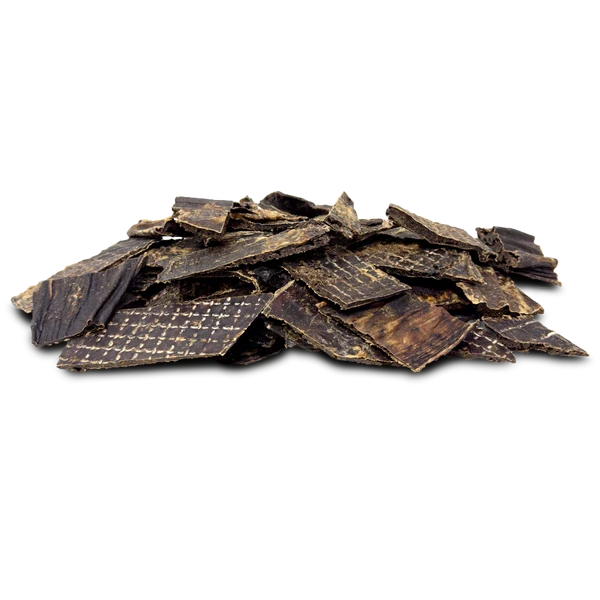
Introduction
Air‑dried dog treats are increasingly popular with UK owners looking for simple, shelf‑stable rewards. This guide explains what air‑dried treats are, how they differ from other treat types, how to use them safely and practically, and what to look for when buying. Links to relevant Jasper’s Treat Shop pages are included to help you explore real products and categories.
What are air‑dried treats?
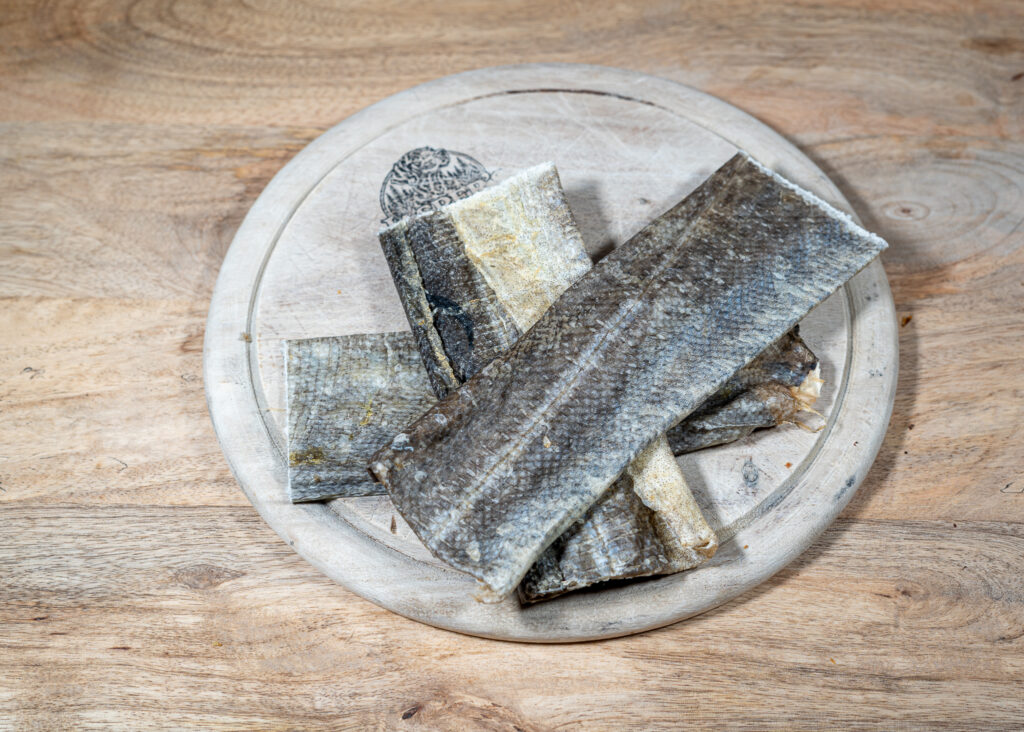
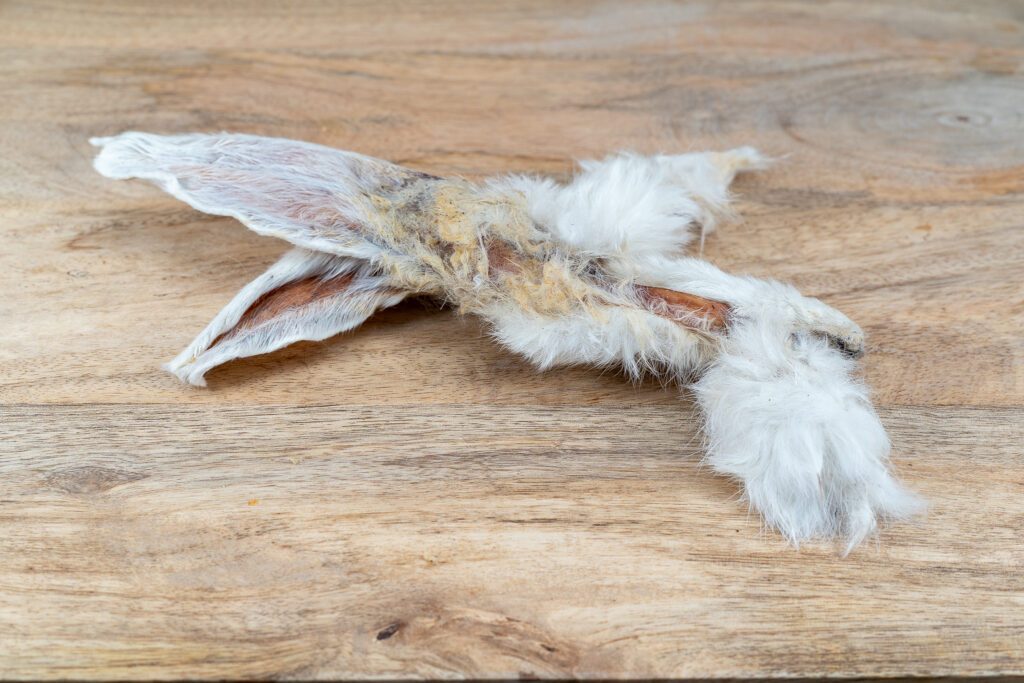
Air‑dried treats are made by removing moisture from meat, fish or other animal parts using gentle drying over time rather than high‑temperature cooking. The result is a light, chewy or slightly crisp treat that keeps well without refrigeration. On the Jasper’s Treat Shop site you can browse air‑dried items via the air‑dried processing attribute.
How air‑dried treats differ from other treats
- Texture: Many air‑dried treats are chewy or slightly crisp, rather than crunchy like baked biscuits or extremely hard like some chews.
- Shelf life: Because moisture is reduced, air‑dried treats are generally shelf‑stable, but storage is still important to keep them fresh.
- Use: They work well as training rewards or tasty snacks and are often easy to break into smaller pieces for training.
Benefits and considerations for UK dog owners
Practical benefits
- Convenient for training — many air‑dried treats are firm enough to handle but soft enough to tear into small pieces.
- Portable — good for walks, training sessions and pockets when you need quick rewards.
- Often single‑source proteins — helpful if you’re limiting ingredients for a dog with simple preferences or sensitivities (always check the label).
Things to consider
- Ingredients: Always read the ingredient list. If your dog has known allergies or intolerances, choose treats with appropriate ingredients and avoid anything uncertain.
- Calorie awareness: Treats, including air‑dried ones, can add extra calories. Consider overall daily intake and adjust meals or treat frequency as needed.
- Choking and size: Pick a size and texture suited to your dog. Break treats into smaller pieces for puppies and small dogs.
Buying tips: how to choose quality air‑dried treats
- Look for simple ingredient lists and single protein sources if you prefer minimal recipes.
- Prefer named proteins (e.g. beef, rabbit, fish) over vague terms – check product descriptions carefully.
- Check pack size and whether bulk options are available if you use treats regularly; Jasper’s Treat Shop filters show products with a bulk‑pack attribute you can browse.
- Consider the intended use — smaller, softer pieces for training; larger chunks for casual snacking.
- Where possible, choose products from sellers that provide clear storage and feeding guidance on packaging or the product page.
How to use air‑dried treats safely and effectively
Training and rewards
- For training, break treats into small, easily eaten pieces so you can reward rapidly and frequently.
- Keep a mix of high‑value pieces (for tough behaviours) and lower‑value pieces (for simple commands) so you don’t overuse the best bits.
Everyday snacking
- Use them as part of a balanced approach to treats — count them towards the dog’s daily calories and adjust meals if needed.
- Supervise dogs with chewier treats, particularly if they gulp or are inexperienced with that texture.
Storage and shelf‑life
- Keep air‑dried treats in a cool, dry place away from direct sunlight. Many come in resealable packs — use them to preserve freshness.
- If a product arrives in a non‑resealable bag, transfer to an airtight container once opened.
- Check the product page or packaging for any storage recommendations the seller provides.
Safety checklist
- Introduce new treats gradually to monitor for any digestive upsets.
- Ensure treats are age‑appropriate: puppies have different chewing abilities to adult dogs.
- Check treats regularly for mould or off smells and discard if anything seems wrong.
- Supervise your dog during chew sessions, especially with firmer or larger items.
Pairing air‑dried treats with other types
Air‑dried treats work well alongside other natural options such as long‑lasting chews or softer training treats. For ideas on different treat types and how to choose them, see Jasper’s guides on natural dog chews and choosing treats safely.
Where to find air‑dried treats at Jasper’s Treat Shop
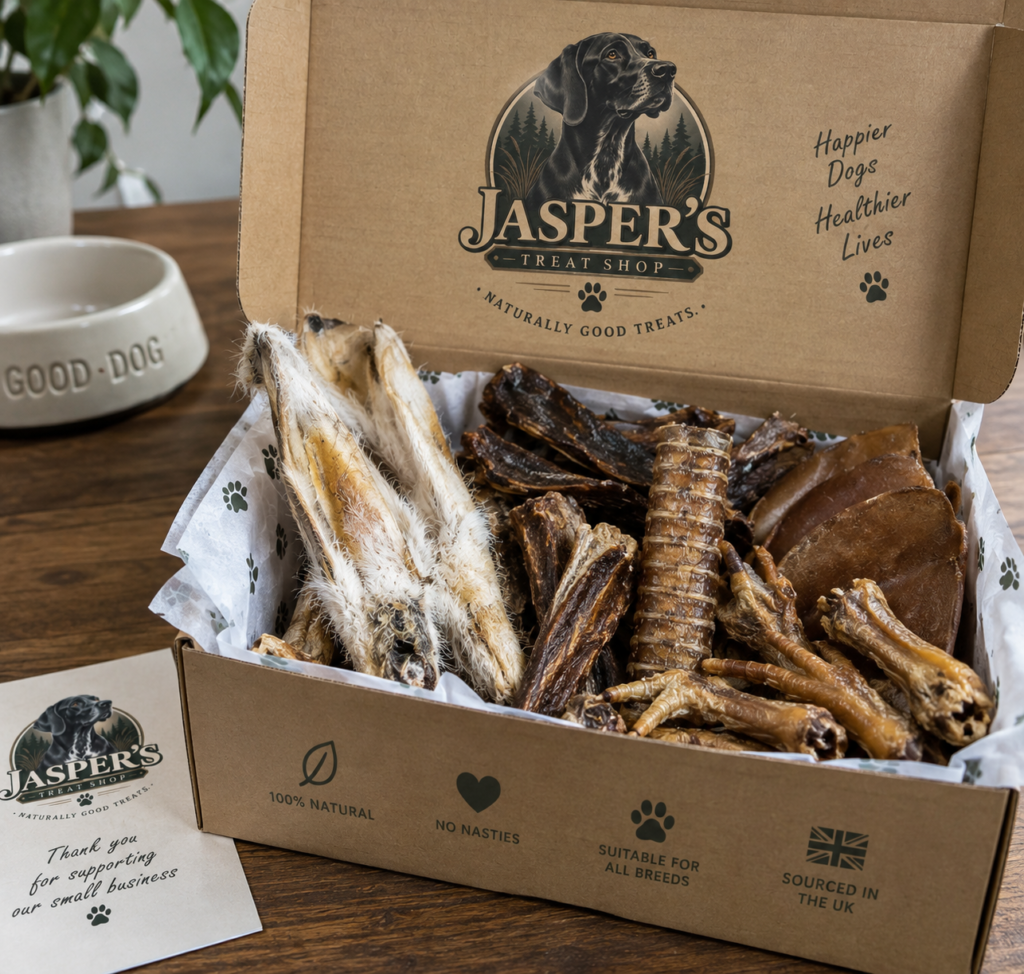
You can explore products filtered by processing type via the site’s air‑dried attribute. If you’re looking for training‑friendly options, browse the shop’s Dog Training Treats section, or start more broadly at the Natural Dog Treats category for the full range of natural options.
Final thoughts
Air‑dried treats are a versatile, convenient option for many UK dog owners. When chosen and used sensibly — checking ingredients, supervising chew time, and balancing as part of your dog’s daily intake — they can be a useful part of your treat toolbox. Use the links above to explore air‑dried and other natural treats at Jasper’s Treat Shop and find items that suit your dog’s size, taste and needs.
Frequently asked questions
Are air‑dried dog treats safe for puppies?
Many air‑dried treats are suitable for puppies, but texture and size matter. Choose softer or smaller pieces for young dogs and always supervise their use. Check product pages for any age recommendations before offering to a puppy.
How should I store opened air‑dried treats?
Store opened packs in a resealable bag or an airtight container in a cool, dry place. If a product doesn’t have resealable packaging, transfer to a sealed container to keep treats fresh and prevent moisture.
Can I use air‑dried treats for training?
Yes. Their texture often makes them easy to tear into small pieces which is ideal for frequent reward‑based training. Keep a small pouch handy and choose smaller portions for repeat reinforcement.
What should I do if my dog has allergies?
If your dog has known allergies, read ingredient lists carefully and choose single‑ingredient or clearly labelled products. If you’re unsure about an ingredient, avoid offering that treat and consult product information on the seller’s page.
How many air‑dried treats can my dog have?
There’s no one‑size‑fits‑all number. Treat allowance depends on your dog’s size, activity and overall diet. Use treats sparingly, count them towards daily calories and adjust meals or portions as needed.
Choose from our range of Air Dried treats
-
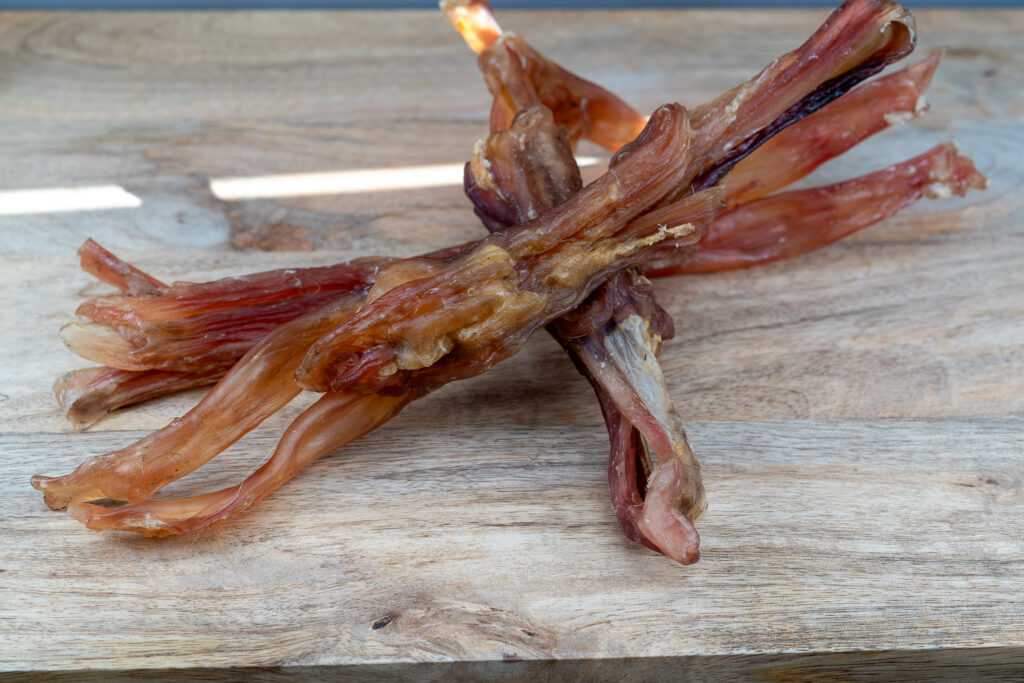
Beef Achilles Tendon for Dogs – 100% Natural Chew
£2.99 -
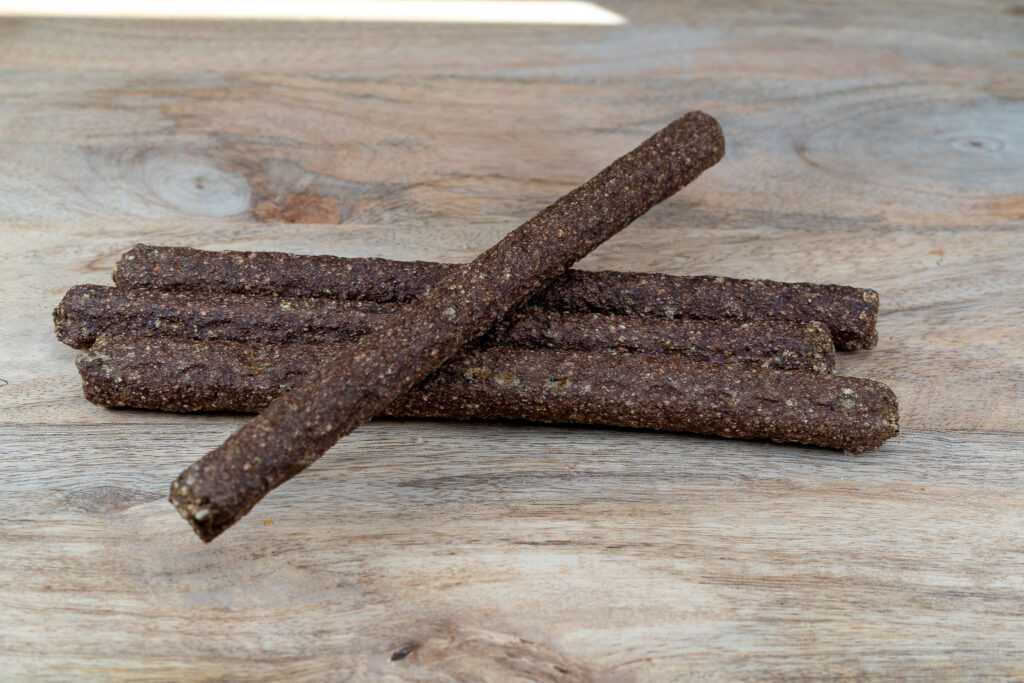
Black Pudding Meaty Sticks for Dogs
£0.99 -
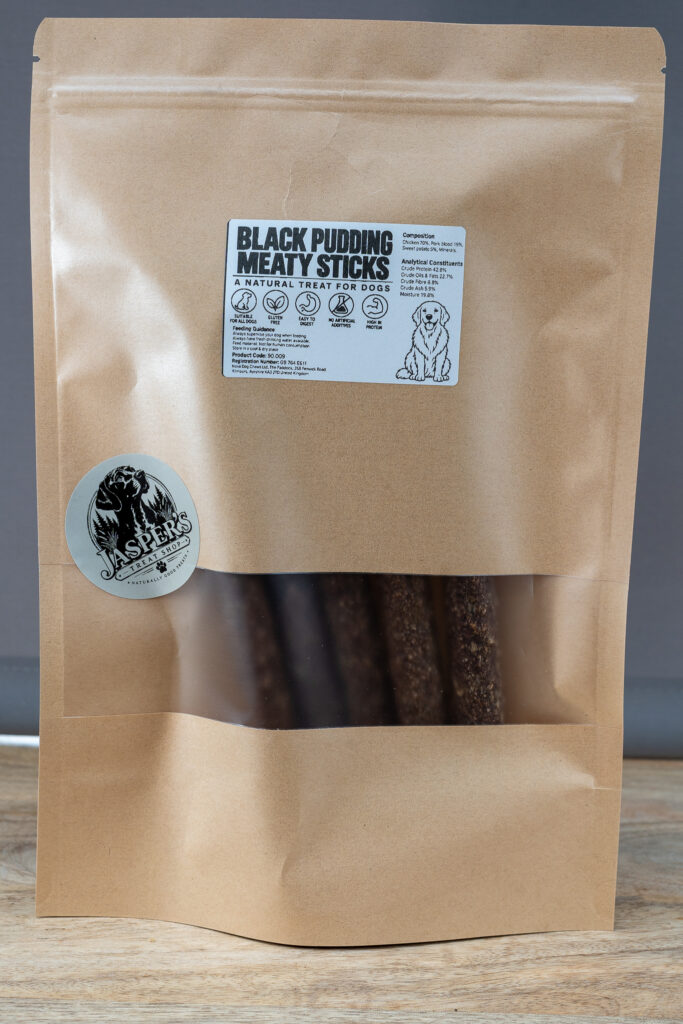
Black Pudding Meaty Sticks for Dogs – Pack of 5
£4.99 -

Braided Lamb Skin Dog Chew – 30cm | 100% Natural Lamb
£2.99 -
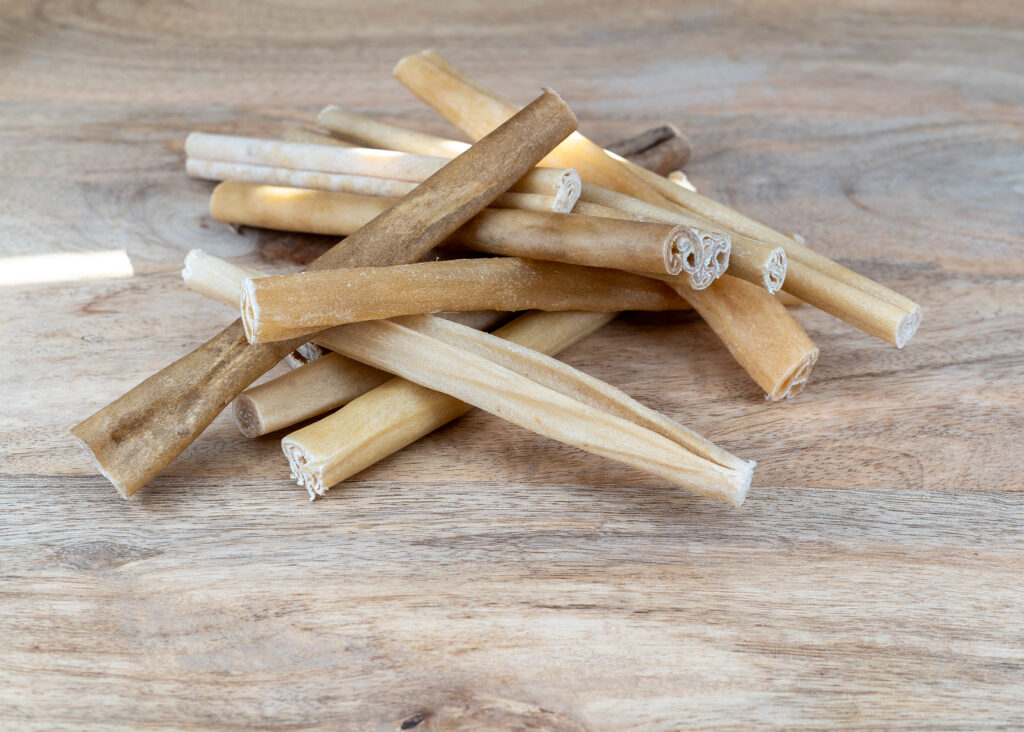
Buffalo Collagen Sticks for Dogs – 12–15cm Natural Chews
£0.65 -
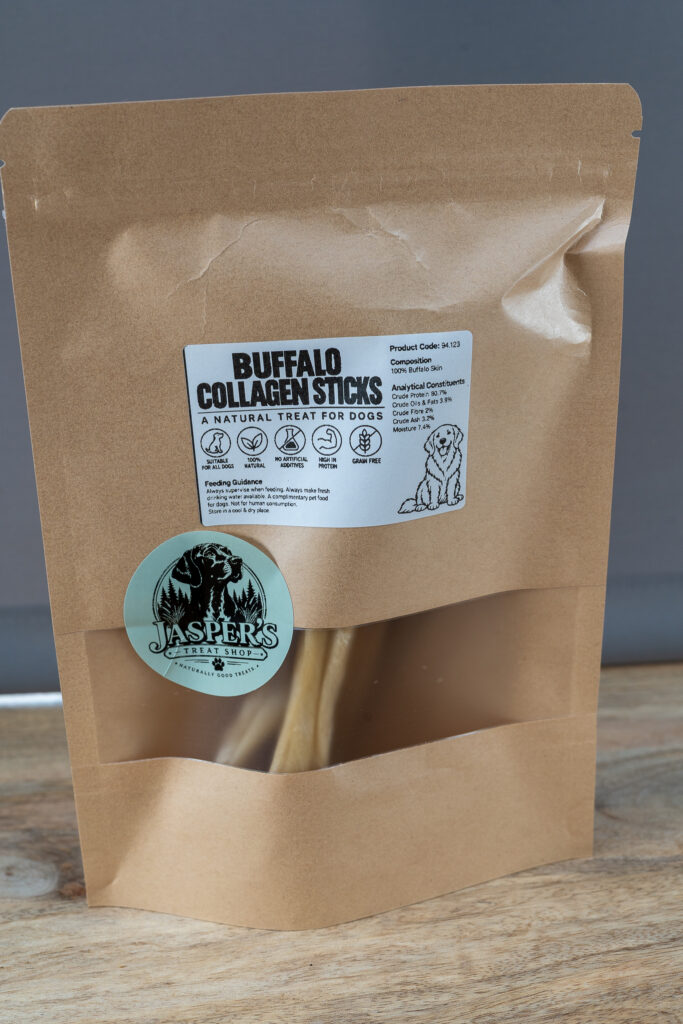
Buffalo Collagen Sticks for Dogs – 12–15cm Natural Chews – Pack of 5
£3.25 -
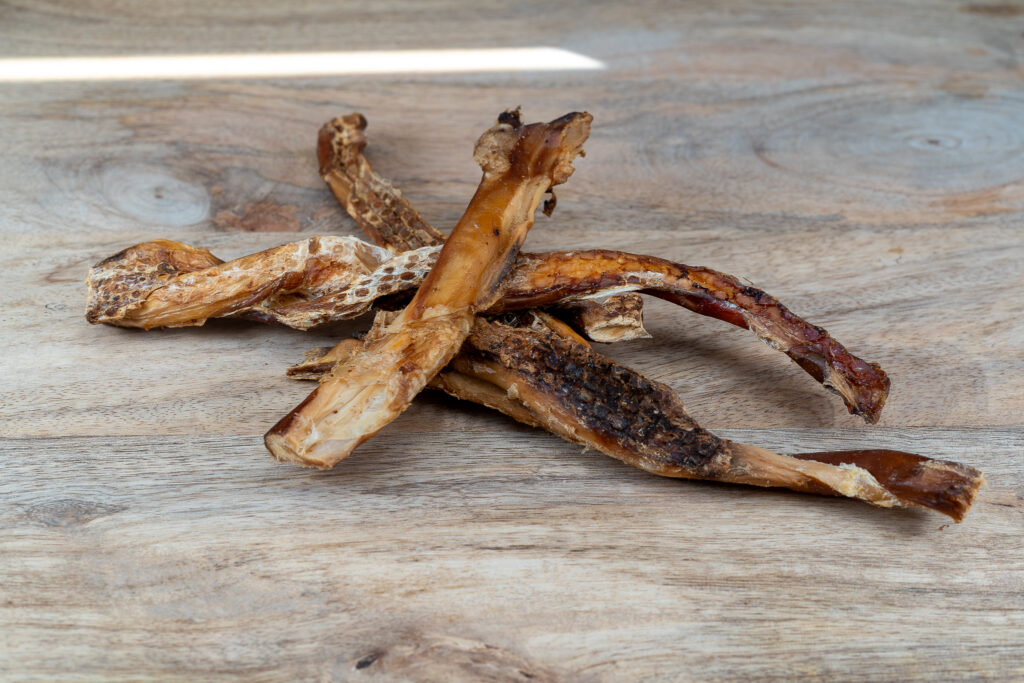
Bull Pizzle Bites for Dogs – 100% Beef Natural Chews
£0.80 -
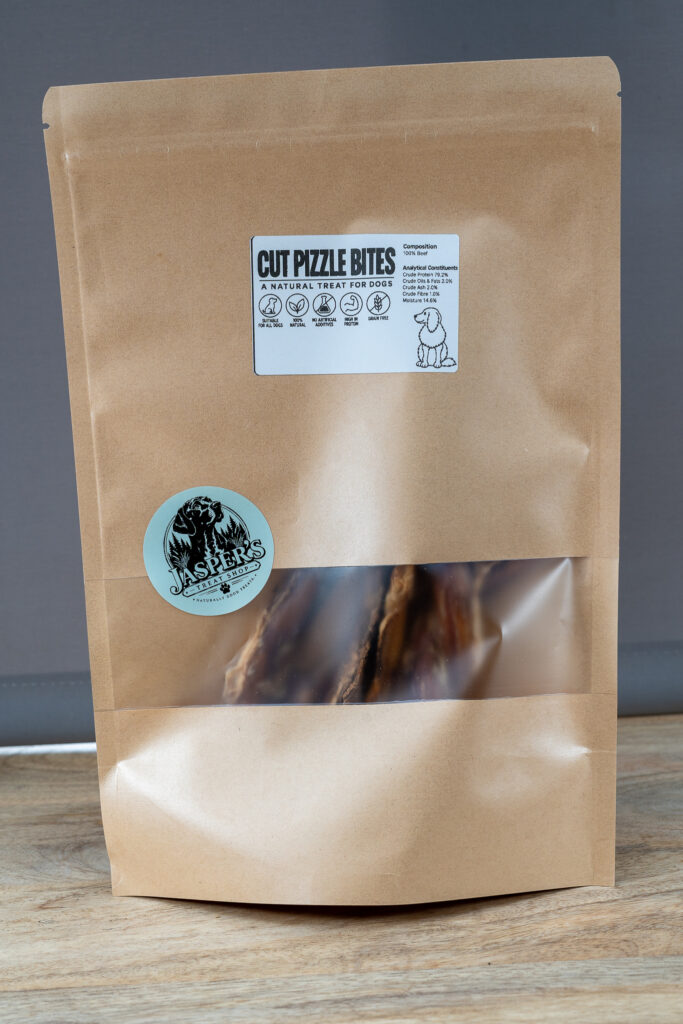
Bull Pizzle Bites for Dogs – 100% Beef Natural Chews – Pack of 5
£3.99 -
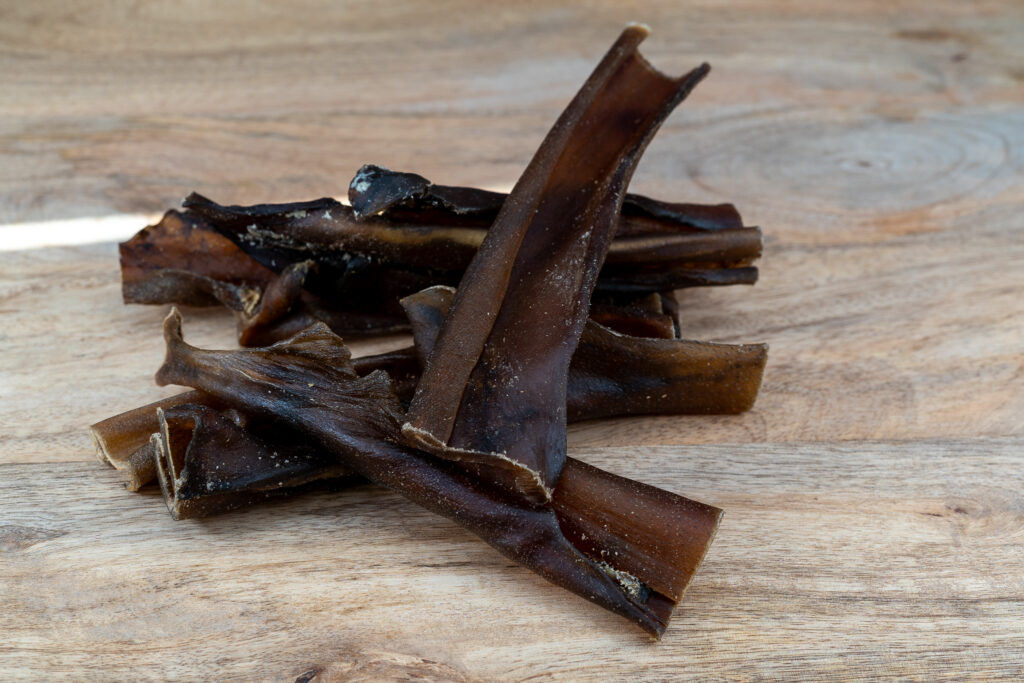
Camel Skin 15cm for Dogs – 100% Natural Chew
£0.90