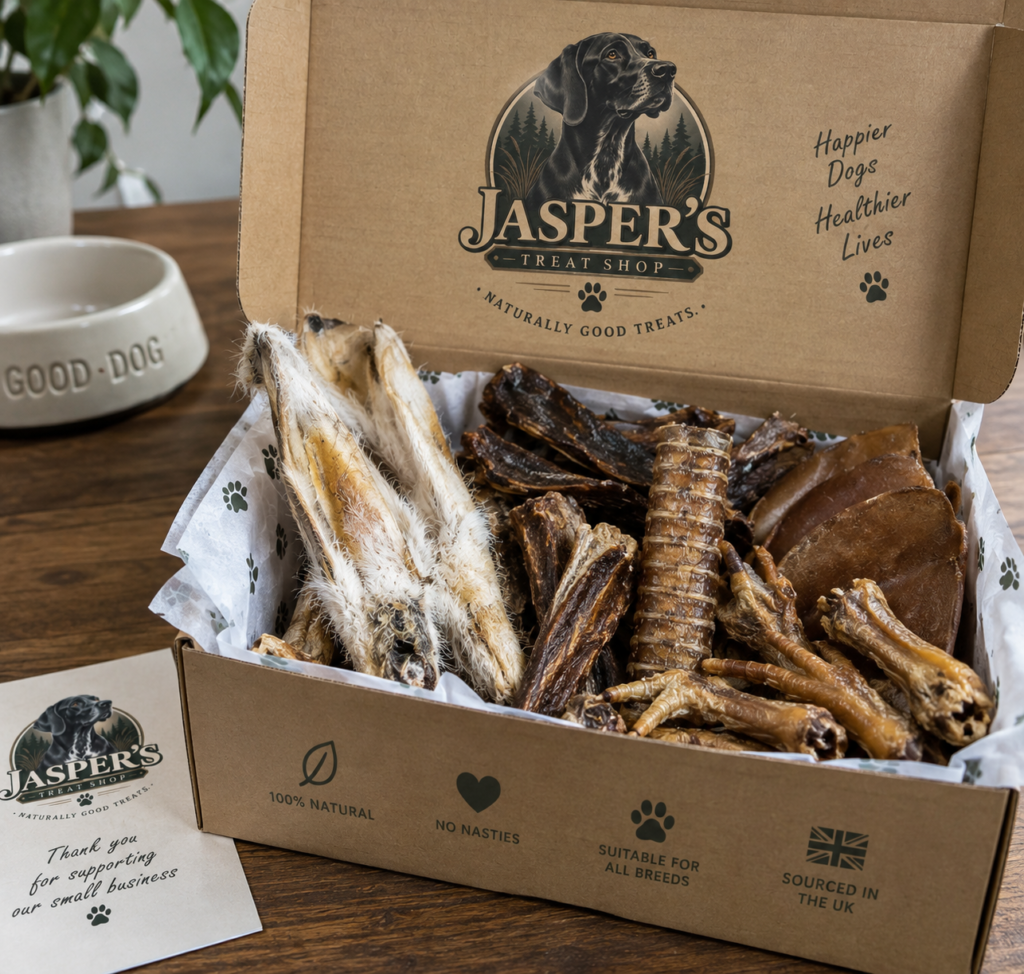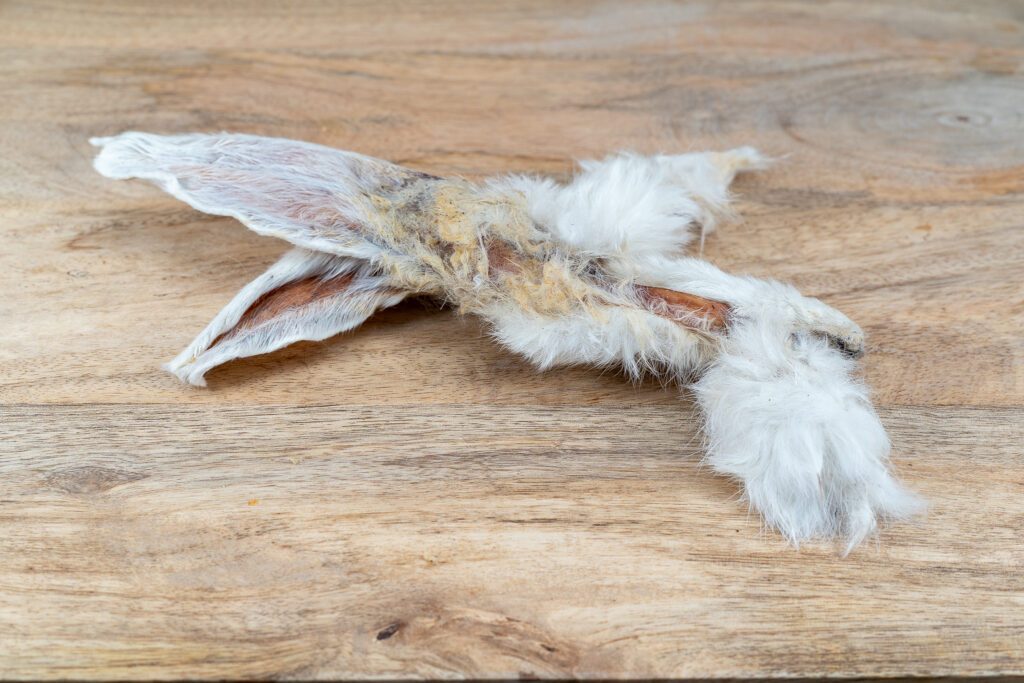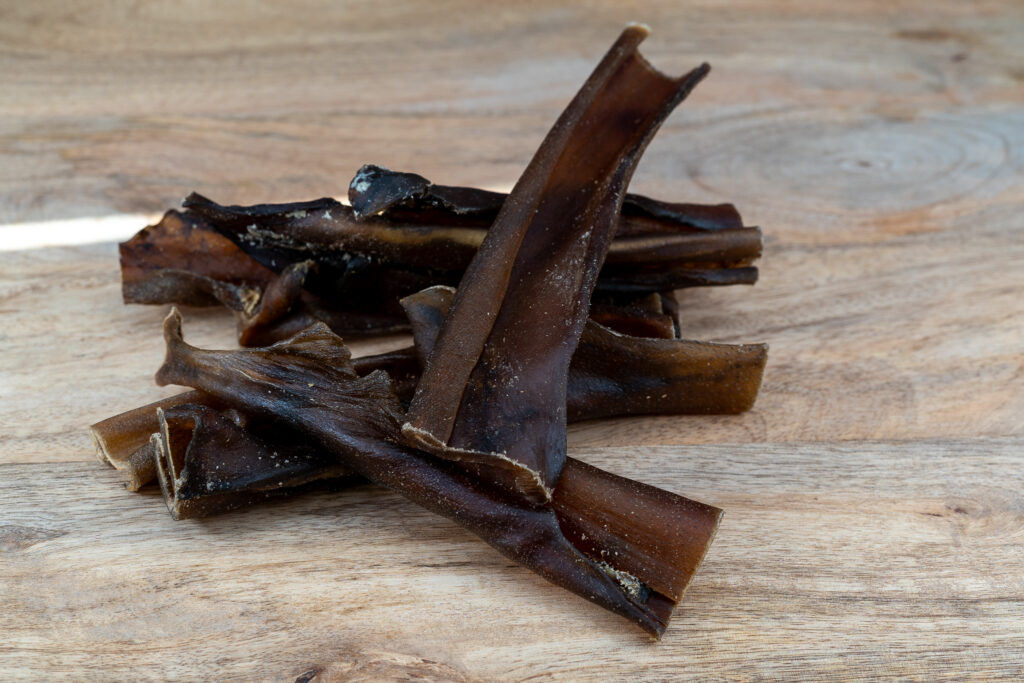
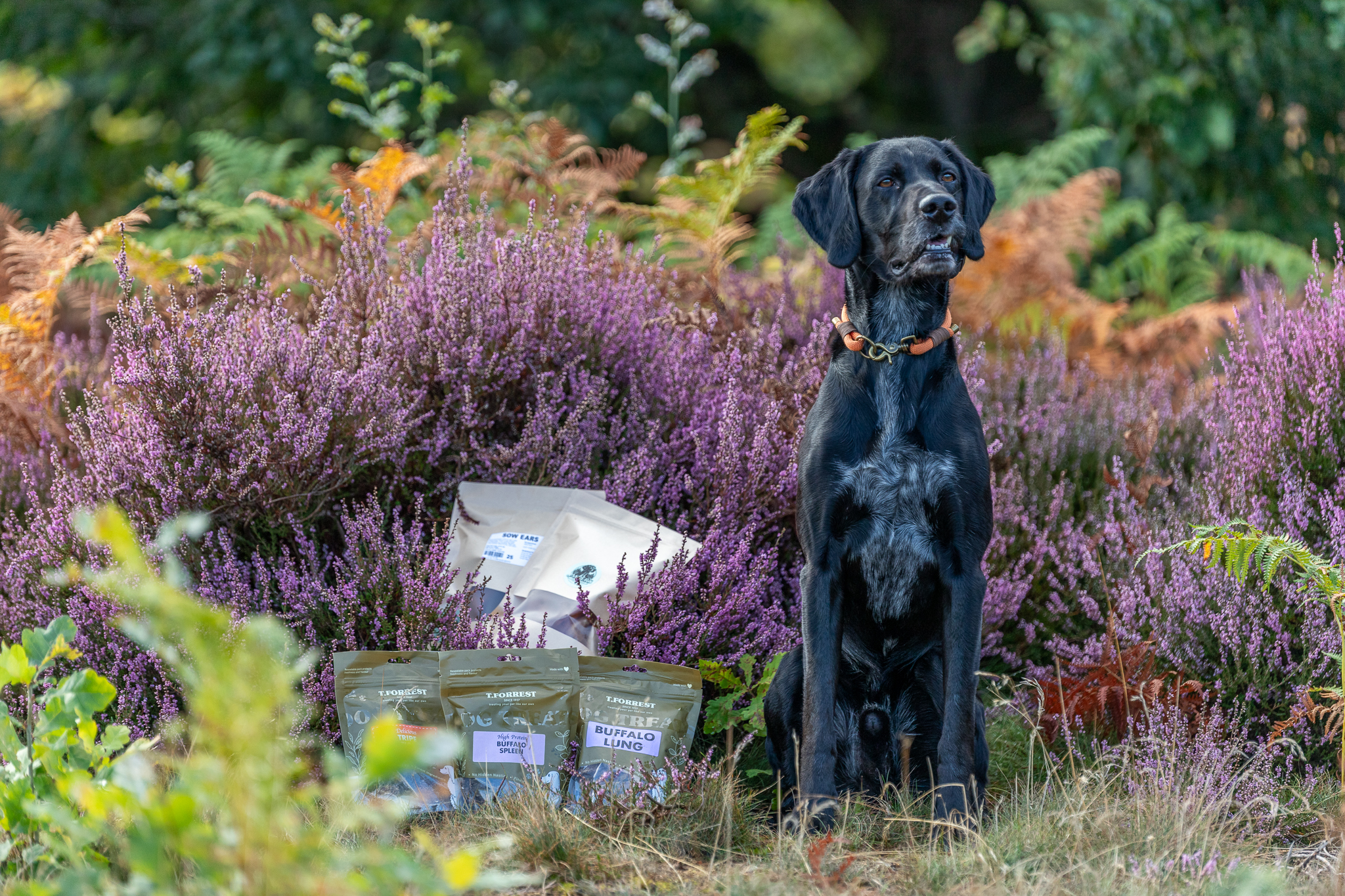
Treats are one of the simple pleasures of having a dog.
They can be a reward for coming back when called, something tasty after a walk, a useful part of a training session or simply a way of giving your dog something they’ll thoroughly enjoy.
Walk into a pet shop or search for dog treats online, however, and the amount of choice can quickly become overwhelming.
Biscuits. Training treats. Dried meat. Ears. Liver. Tripe. Chews. Beef. Duck. Venison. Buffalo.
And then there’s the word natural.
What actually makes a dog treat natural? How do natural dog treats differ from other treats? What’s the difference between a treat and a chew? And how do you decide which option is right for your dog?
This guide covers the basics and explains what to look for when choosing natural treats, how different types can be used and why reading the individual product information matters.
At Jasper’s Treat Shop, treats have always been part of life with Jasper, our German Shorthaired Pointer and very enthusiastic Chief Treat Taster.
Between training sessions, walks and everyday rewards, we’ve handled plenty of treats over the years.
So let’s start with the obvious question.
What Are Natural Dog Treats?
There isn’t one single type of natural dog treat.
The term covers a broad range of products, but you’ll commonly find treats made predominantly from recognisable animal or plant-based ingredients, including dried meat and animal products.
Examples might include:
- beef liver
- beef tripe
- pig ears
- lamb ears
- buffalo lung
- buffalo spleen
- dried meat strips
- small meat-based training rewards
The exact ingredients and manufacturing process will vary from one product to another.
That’s why the word natural shouldn’t be the only thing you look at when buying treats.
Check the product’s actual composition.
If you’re considering a particular treat, its product page or packaging should provide the information you need to understand what you’re giving your dog.
At Jasper’s Treat Shop, that’s something we think is particularly important.
Clear information. Simple choices.
Why Do Dog Owners Choose Natural Treats?
There are plenty of reasons an owner might choose a natural treat.
For some, it’s the simplicity of the product.
For others, it’s being able to recognise the primary ingredient or choose treats based on a particular protein.
And sometimes the explanation is considerably simpler:
their dog absolutely loves them.
Anyone who has opened a bag of particularly meaty dog treats around an interested dog will understand that one.
Natural treats also come in a huge variety of shapes, sizes and textures.
That makes it possible to find different options for different occasions rather than expecting one treat to do everything.
A tiny reward might be useful during training.
A larger treat might be something you give occasionally.
A chew provides a completely different experience.
The important thing is choosing something appropriate for the individual dog and the situation.
Natural Doesn’t Automatically Mean Suitable for Every Dog
This is an important distinction.
The word “natural” doesn’t mean that every natural dog treat is automatically appropriate for every dog.
Dogs differ enormously.
A treat suitable for a large adult dog may be completely inappropriate for a small puppy.
Similarly, individual dogs can have different dietary requirements, preferences and chewing behaviours.
When choosing treats, consider factors such as:
- your dog’s size
- age and life stage
- normal diet
- known dietary requirements
- the size of the treat
- texture
- chewing style
- product feeding guidance
- how frequently treats are being given
If your dog has a medical condition, food intolerance or requires a veterinary diet, speak to your vet before introducing something new.
Understanding Dog Treat Ingredients
One of the most useful habits when buying dog treats is simply turning the packet over — or scrolling down the product page — and reading the composition.
The front of the packet is marketing.
The composition tells you what’s actually in it.
What does “composition” mean?
Composition identifies the ingredients used to make the product.
For a simple dried animal treat, you may find that the composition contains only one ingredient.
Other products, particularly manufactured training treats, can contain multiple ingredients.
Neither fact alone tells you whether a product is appropriate for your dog.
The important part is that you can see what you’re buying and make an informed choice.
What are analytical constituents?
You’ll also see something called analytical constituents on many dog treat products.
These commonly provide figures for things such as:
- crude protein
- crude oils and fats
- crude fibre
- crude ash
These aren’t an ingredient list.
They’re an analysis of certain nutritional components of the product.
At Jasper’s Treat Shop, where this information is supplied for a product, we aim to present it clearly on the individual product page.
Single-Protein and Single-Ingredient Treats
You’ll often see terms such as single protein and single ingredient when shopping for dog treats.
They sound similar, but they aren’t necessarily the same thing.
Single ingredient
A single-ingredient treat contains one listed ingredient.
For example, a product whose composition is simply:
100% beef liver
would be a single-ingredient product.
Single protein
Single protein generally means that the animal protein in the product comes from one animal source.
A manufactured treat could therefore potentially contain one animal protein alongside other non-meat ingredients.
This is another reason to read the complete composition rather than relying solely on the product name.
Choosing Dog Treats by Protein
Protein type is one of the easiest ways to explore natural dog treats.
It can also be useful when you’ve discovered that your dog has a definite favourite.
At Jasper’s Treat Shop, we’re building collections that make it possible to browse treats by protein.
Beef Dog Treats
Beef is commonly found across a wide variety of dog treats.
Our beef range can include different textures and formats, from beef liver and beef tripe to smaller beef training rewards.
That variety makes beef a useful category to explore if you want several different types of treat while sticking with the same protein.
Duck Dog Treats
Duck is another option you’ll find in dog treats, including smaller rewards designed to be convenient during training.
If your dog enjoys duck, browsing by protein makes it easy to see the different duck products available without working through the entire shop.
Venison Dog Treats
Venison provides another distinct protein choice.
At Jasper’s Treat Shop, our venison range includes small training treats that can be used for rewarding behaviours during training, walks and everyday life.
Buffalo Dog Treats
Buffalo products provide some interesting natural treat options.
Different parts of the animal can result in treats with very different shapes, textures and compositions.
Our growing buffalo collection includes products such as buffalo lung and buffalo spleen.
Pork Dog Treats
Pork treats include some particularly familiar natural dog products.
Pig ears and sow ears, for example, are larger treats that offer a very different experience from a small training reward.
Our pork collection makes it easier to browse these products together.s
As Jasper’s Treat Shop grows, we’ll continue developing these protein collections so owners can explore the shop in whichever way makes the most sense to them.
Dog Treats vs Dog Chews: What’s the Difference?
You’ll often see the words treat and chew used alongside one another.
There’s considerable overlap between them.
A chew is still something you might give as a treat, but the way it’s used can be quite different.
Small dog treats are typically eaten quickly.
They’re particularly useful when you need to reward a behaviour without interrupting what you’re doing for long.
A chew, on the other hand, is generally selected to provide a longer chewing experience.
Exactly how long something lasts varies enormously depending on both the product and the dog.
A determined German Shorthaired Pointer, for example, may have a rather different definition of “long lasting” from a much smaller or gentler chewer.
That’s why we don’t think promises about exact chewing times are particularly useful.
Instead, choose a chew appropriate for your dog’s size and chewing style and supervise them while they’re enjoying it.
Using Treats for Dog Training
This is where treats have played a particularly big role in our own experience with Jasper.
Jasper is a working breed.
German Shorthaired Pointers tend to be active, enthusiastic dogs, and Jasper certainly didn’t miss that memo.
We’ve involved him in training groups throughout his life, and food rewards have been one of the tools we’ve used during that training.
The ideal training reward is going to depend on the individual dog, but there are a few practical characteristics worth considering.
Size
Training can involve giving multiple rewards within a relatively short period.
Smaller treats can therefore be much more practical than giving a large treat every time your dog does something correctly.
Convenience
A training treat needs to be easy to carry.
If you’re practising recall in a field, you don’t want to spend thirty seconds wrestling with packaging while your dog wonders why they bothered coming back.
A treat pouch and appropriately sized rewards make things much easier.
Your dog’s opinion
This one matters.
A reward is only useful if your dog considers it rewarding.
Some dogs will happily work for almost anything.
Others suddenly become professional food critics when asked to do something difficult.
Experimenting with different proteins and treat types can help you discover what gets your dog’s attention.
Adjust for the treats you’re feeding
Training can involve a surprising number of rewards.
Treats should therefore be considered as part of your dog’s overall daily food intake rather than an unlimited extra.
Follow the relevant feeding guidance and adjust appropriately.
Using Treats for Recall Training
Recall is one situation where many owners use food rewards.
When your dog makes the decision to stop what they’re doing and return to you, rewarding that behaviour can help reinforce the response you’re trying to build.
The difficulty is that the environment can be extremely interesting.
Smells.
Other dogs.
People.
Wildlife.
And, in Jasper’s case, almost anything that looks remotely capable of being retrieved.
The reward you’re offering therefore needs to matter to your particular dog.
Some owners find it useful to reserve especially desirable rewards for more demanding training situations.
That doesn’t mean treats do the training for you.
Timing, consistency, difficulty, environment and the way the behaviour has been taught all matter.
Treats are simply one tool available when reinforcing behaviour.
If you’re struggling with training or behavioural problems, seek advice from an appropriately qualified dog trainer or behaviour professional.
Can Puppies Have Natural Dog Treats?
Puppies can have treats, but that doesn’t mean every natural dog treat or chew is suitable for every puppy.
A young dog’s size, age, stage of development and ability to eat or chew a particular product safely all matter.
When shopping for puppy treats:
choose appropriately sized products, read the feeding instructions, supervise chewing and introduce new foods sensibly.
Training treats can be particularly useful during puppy training because small rewards allow you to reinforce behaviour without repeatedly giving large treats.
Remember that treats contribute to your puppy’s overall food intake.
If you’re uncertain whether a particular product is appropriate for your puppy, check the product information and seek professional veterinary advice where necessary.
How Many Treats Should You Give Your Dog?
There isn’t a universal number that applies to every dog and every treat.
Ten tiny training rewards and ten large ears clearly aren’t equivalent.
How much is appropriate depends on things such as:
- your dog’s size
- normal diet
- activity
- the particular treat
- size of each portion
- frequency of feeding
- product-specific feeding guidance
Treats are generally complementary foods rather than replacements for a complete, balanced diet.
Follow the feeding information for the individual product and consider treats as part of the dog’s total daily intake.
This becomes particularly important when doing lots of reward-based training.
It’s remarkably easy to lose track of how many rewards have disappeared during a productive training session.
Jasper would undoubtedly argue that this is not a problem.
Unfortunately, Jasper isn’t responsible for writing the feeding guidance.
Should Dogs Be Supervised When Eating Natural Treats?
Yes, particularly when giving chews or larger treats.
Dogs don’t all chew in the same way.
Some carefully work their way through something.
Others appear determined to establish a new world record.
Supervision allows you to see how your dog is handling a product and intervene if necessary.
Always provide fresh drinking water.
Choose appropriately sized treats and chews and follow any specific safety and feeding information supplied with the product.
If a remaining piece becomes small enough to present a swallowing risk, remove it where appropriate.
How Should Natural Dog Treats Be Stored?
Storage instructions can vary between products, so always check the individual packaging.
Many dried treats are intended to be stored somewhere cool and dry and should be resealed appropriately after opening.
Keeping treats properly stored helps protect them from moisture and contamination.
Don’t assume every product has identical storage requirements.
Where a manufacturer provides specific storage instructions, follow those instructions.
And if you use a treat pouch while training, remember to empty it occasionally.
Finding a forgotten piece of liver in a coat pocket several weeks later is not the kind of natural dog treat experience anyone is looking for.
What Should You Look for When Buying Natural Dog Treats Online?
Buying treats online gives you access to an enormous selection, but it also means you can’t physically inspect the packet before ordering.
Good product information therefore matters.
Before buying, look for:
A clear product name
You should be able to understand what you’re considering buying.
Composition
What is the product actually made from?
Analytical constituents
Where applicable and provided for the product, this information should be accessible.
Pack size or quantity
You should know approximately what you’re purchasing.
Feeding information
Look for relevant feeding guidance and safety information.
Storage instructions
These can help you look after the product properly once it arrives.
Clear photographs
Images should help you understand what you’re purchasing, although natural products can naturally vary in appearance, shape and size.
This approach is central to how we’re developing Jasper’s Treat Shop.
We want shopping for treats to be straightforward.
Do Expensive Dog Treats Mean Better Dog Treats?
Not necessarily.
Price alone doesn’t tell you whether a product is right for your dog.
Different ingredients, manufacturing processes, pack sizes, availability and product types can all affect price.
Instead of judging a treat solely by price or marketing language, look at what you’re actually getting.
Check:
- composition
- quantity
- product type
- feeding guidance
- whether it suits what you’re buying it for
A simple treat that your dog loves and that suits the situation may be a much better purchase for you than a more expensive alternative.
Why We Started Jasper’s Treat Shop
Jasper’s Treat Shop wasn’t created because we thought the internet needed another enormous pet shop selling thousands of unrelated products.
It started with one dog.
Jasper is our four-year-old German Shorthaired Pointer.
He’s been involved in training groups throughout his life, he loves to work, and natural treats have always been part of our routine with him.
Over the years, we’ve learned which treats get his attention during training, which ones are useful to carry and which ones cause a suspiciously rapid appearance whenever a packet is opened.
Eventually we decided to build a dedicated natural dog treat shop around that experience.
Our aim is straightforward:
to offer a growing selection of treats, chews and training rewards with clear information that helps owners understand what they’re buying.
We’re not interested in making every product sound miraculous.
We’d rather tell you what it is, what’s in it and provide the relevant product information so you can make your own decision.
Jasper, meanwhile, remains primarily interested in quality control.
Finding Your Dog’s Favourite Natural Treat
There isn’t one perfect dog treat.
That’s part of the fun.
One dog may go wild for beef liver while another is far more interested in duck or venison.
Some dogs love chewing.
Others would rather receive tiny rewards during training.
And preferences can change depending on the situation.
Trying different proteins, textures and treat types can help you discover what works for your dog.
Our shop is organised to make that easier.
You can explore by protein, browse training treats, look through our natural dog chews, or see the complete natural dog treats collection.
And as Jasper’s Treat Shop grows, we’ll continue adding new products and improving the information available alongside them.
Are natural dog treats good for dogs?
Whether a particular treat is appropriate depends on the individual product and dog. Check its composition and feeding information and consider your dog’s age, size, normal diet and individual requirements. Treats should generally be fed as part of an appropriate overall diet rather than replacing complete food.
What are the best natural dog treats?
There isn’t one treat that’s best for every dog. The right choice depends on your dog’s preferences, size, diet and what you want the treat for. A small training reward and a larger chew serve very different purposes.
Can I give my dog natural treats every day?
This depends on the product, portion size and your dog’s overall diet. Follow the feeding guidance supplied for the individual treat and remember to account for treats within your dog’s overall daily food intake.
Are natural dog treats suitable for puppies?
Some may be, but not every treat is suitable for every puppy. Consider the puppy’s age, size and ability to safely eat or chew the product, and check the individual feeding guidance.
What’s the difference between natural dog treats and chews?
The terms can overlap, but smaller treats are commonly used as quick rewards, while chews are generally selected to provide a more prolonged chewing experience. How long a chew lasts depends heavily on the product and individual dog.
How should I store natural dog treats?
Follow the manufacturer’s instructions for the individual product. Many dried treats should be kept in a cool, dry place and securely resealed after opening.