Camel treats have been growing in popularity as an alternative natural chew. If you’re seeing camel skin chews on the shelves and wondering whether they’re a good fit for your dog, this guide covers what you need to know — the practical benefits, potential risks, and how to use them safely at home in the UK.
What are camel dog treats?
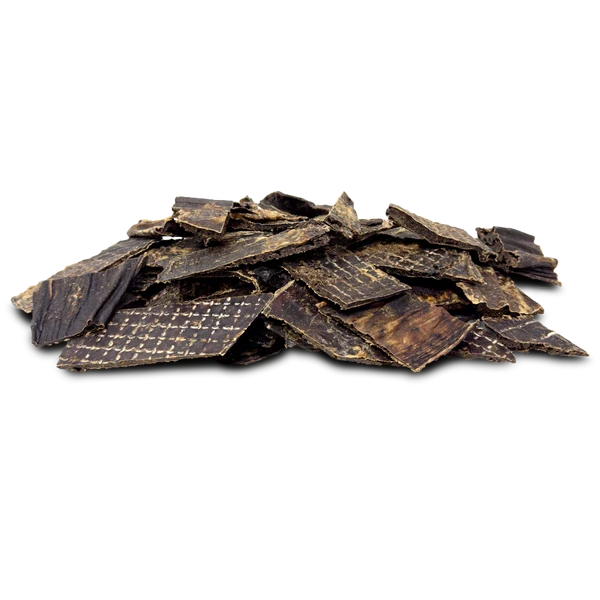
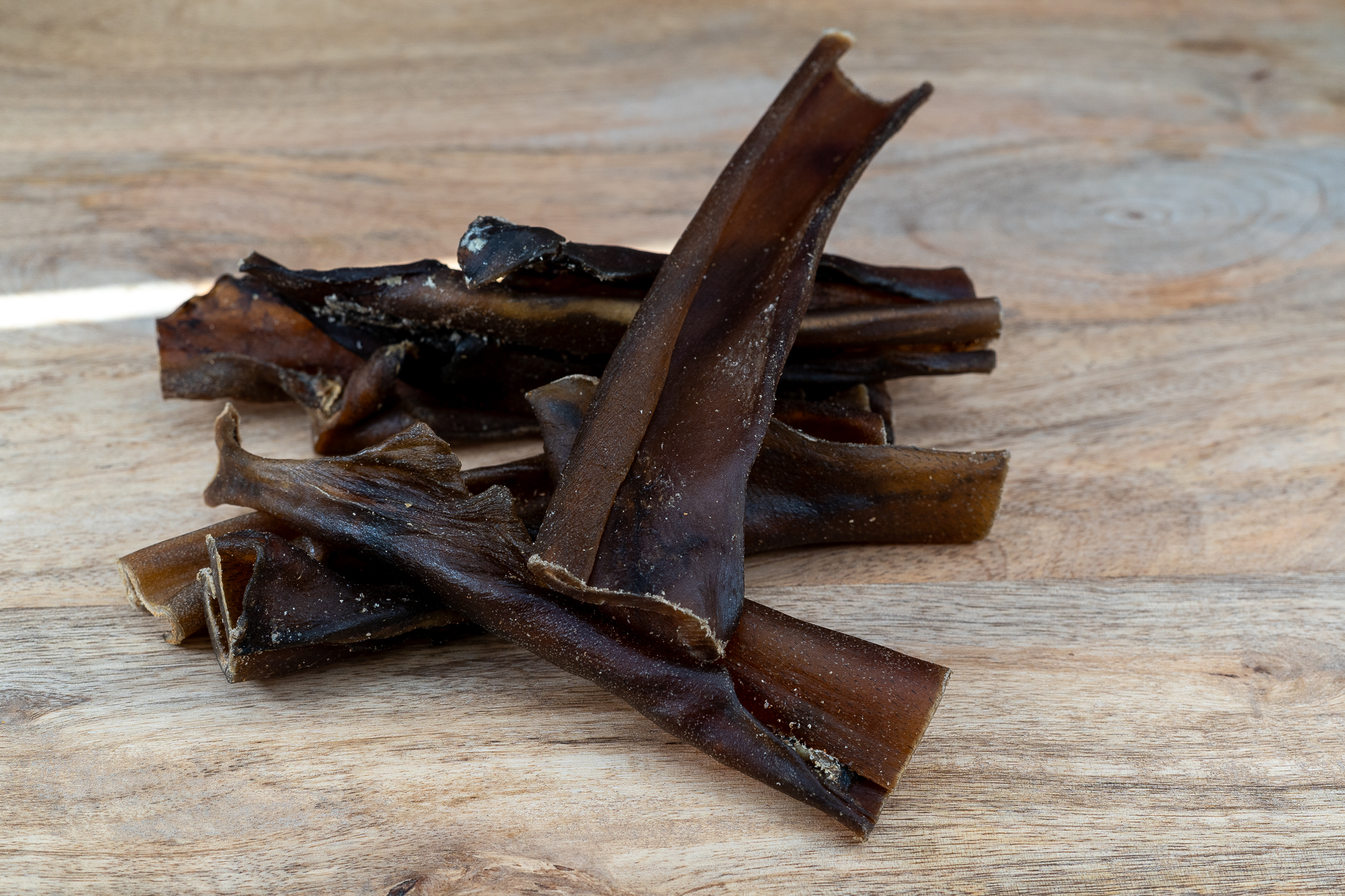
“Camel treats” usually refers to chews made from dried or air-dried parts of the camel, most commonly camel skin. They appear in shops as single chews or multi-packs and are sold as natural dog chews. Jasper’s Treat Shop carries camel options such as Camel Skin 15cm for Dogs – 100% Natural Chew and the Pack of 5 version, both listed in our Camel Dog Treats category.
Why owners choose camel treats
- Novel protein option: Camel is not one of the most common proteins (like beef, chicken or lamb), so some owners choose it when exploring alternatives for dogs with dietary sensitivities — always discuss this with your vet for suspected allergies.
- Natural chew experience: Many owners like that camel skin chews are simple, minimally processed chews for chewing enrichment and longer-lasting interest than soft training treats.
- Variety: Offering different textures and flavours can keep chews exciting for dogs that are picky or bored with the same thing.
Practical safety considerations
As with any chew, safety comes down to selecting the right product and supervising your dog.
Size and hardness
Choose a chew size appropriate for your dog’s breed and chewing strength. A small chew that your dog can swallow whole or break into large sharp pieces is not suitable. For example, a 15cm camel skin chew may be appropriate for many medium to large dogs, but always check fit and observe first uses.
Supervision
Always supervise your dog when offering a new type of chew. Even the most natural products can present a choking risk if a dog bites off a large fragment.
Age and dental stage
Puppies in the middle of teething and very young dogs are generally less suited to hard chews. Check the product page for any age guidance and introduce chews slowly. If in doubt about a specific age recommendation, consult your vet.
Allergies and sensitivities
Some owners pick camel as a less-common protein for dogs that react to common proteins, but no treat should be considered hypoallergenic without professional advice. If your dog has a known food allergy or intolerance, speak with your vet before trying a new protein.
Dental health and bite behaviour
Chewing can help occupy dogs and may assist with removing surface food debris, but it is not a replacement for dental care. If your dog has dental disease, loose teeth or very aggressive chewing that shatters chews into small pieces, check with your vet before offering hard natural chews.
How to introduce camel treats safely
- Start small: Offer the chew for short supervised sessions to see how your dog interacts with it.
- Monitor the first 10–15 minutes: Watch for aggressive biting that fragments the chew or any signs of distress.
- Check stools: When changing diets or introducing new proteins, monitor your dog’s stool for a few days for any signs of digestive upset. If you see persistent vomiting or diarrhoea, stop the chew and consult your vet.
- Store correctly: Keep chews in a cool, dry place and discard any pieces that become small enough to swallow whole.
Choosing the right camel product
When comparing camel chews:
- Check size options and pick one that matches your dog’s mouth and chewing style.
- Look for simple descriptions and minimal processing if you prefer natural chews — product pages will list the product type and categories.
- Consider whether you want single chews or a pack; multi-packs can be useful if your dog enjoys them and you want a steady supply. Jasper’s product pages for single and pack options are linked below.
When to avoid camel treats
- If your dog is a very aggressive chewer who shatters hard chews into swallowable fragments.
- Dogs with existing dental problems, mouth pain or loose teeth (check with a vet first).
- Any dog with a confirmed allergy to camel protein — if you suspect an allergy, consult your vet for testing and tailored advice.
How camel treats compare with other natural chews
Camel chews are one option among many natural treats and chews available. If you’re weighing up choices, think about:
- Durability: Some chews are longer-lasting than others. If you want very long-lasting, look at categories marked “long lasting” or chews designed for heavy chewers.
- Texture: Softer meat sticks and training treats differ from harder skin chews. Use softer pocket-sized treats for training and chews like camel skin for longer chewing sessions.
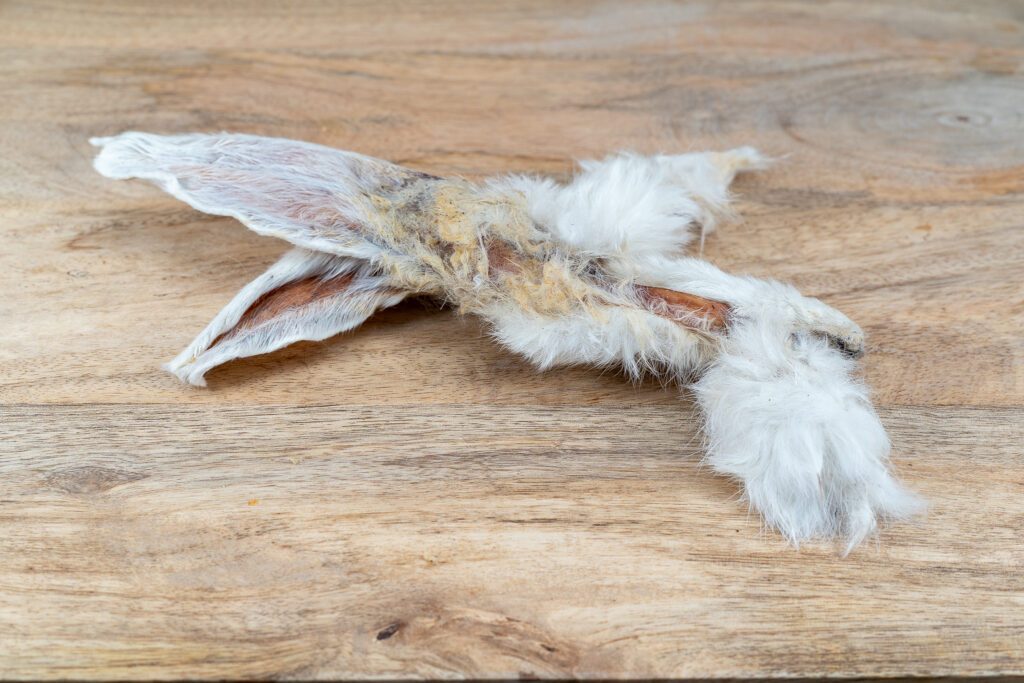
- Protein variety: If your dog needs an alternative to common proteins, Jasper’s Treat Shop also lists other protein options such as rabbit and buffalo across the Natural Dog Treats range.
Where to find camel treats at Jasper’s Treat Shop
Jasper’s carries camel chews in our Natural Dog Treats and Natural Dog Chews categories, including product pages for a single Camel Skin 15cm chew and a Pack of 5. See the Camel Dog Treats category for the full selection and product details.
Quick checklist before you buy
- Is the chew suitable for your dog’s size and chewing strength?
- Has your dog tried other novel proteins without issue?
- Will you supervise the first few sessions?
- Do you need a single trial chew or a multi-pack?
When to speak to a vet
If your dog has a complicated medical history, known food allergies, continuing digestive upset after trying a new treat, or dental disease, speak to your vet before adding new chews. For any urgent signs such as difficulty breathing, repeated vomiting or collapse after eating a chew, seek immediate veterinary care.
Further reading on choosing treats and chews
- Camel Dog Treats category — see the camel products we stock.
- Natural Dog Chews — compare different chew types and sizes.
- Natural dog chews: what should you look for? — our guide to picking safe, suitable chews.
- Are buffalo treats good for dogs? — read about another less-common protein you might consider.
FAQs
Are camel treats safe for all dogs?
Many dogs can enjoy camel chews safely, but no single chew suits every dog. Consider your dog’s age, chewing style and medical history. Supervise first uses and consult your vet for dogs with dental issues or suspected food allergies.
Can puppies have camel skin chews?
Puppies may be able to enjoy appropriate-sized chews once they are older and not actively teething. Check product age guidance and start with short supervised sessions. If in doubt, talk to your vet about the best options for your puppy.
What should I do if my dog is allergic to common proteins?
Owners sometimes try novel proteins like camel when a dog reacts to common proteins. Before introducing a new protein, consult your vet for diagnosis and tailored advice — they can recommend an elimination diet or suitable alternatives if needed.
How long do camel chews last?
Longevity depends on the dog’s size and chewing strength. Some dogs will take several sessions to finish a chew; others may break it down quickly. Choose a size and type matched to your dog’s chewing behaviour.
Where can I buy camel dog treats from Jasper’s?
You can view our camel treats on the Camel Dog Treats category and product pages for single and multi-pack options on the site.
Any tips for picky dogs?
If your dog is picky, offering a small piece of a new chew alongside a familiar favourite, or using the chew during play or training, can help encourage interest. Always monitor reactions and discontinue if your dog shows signs of digestive upset.
Frequently asked questions
Are camel treats safe for all dogs?
Many dogs can enjoy camel chews safely, but no single chew suits every dog. Consider your dog’s age, chewing style and medical history. Supervise first uses and consult your vet for dogs with dental issues or suspected food allergies.
Can puppies have camel skin chews?
Puppies may be able to enjoy appropriate-sized chews once they are older and not actively teething. Check product age guidance and start with short supervised sessions. If in doubt, talk to your vet about the best options for your puppy.
What should I do if my dog is allergic to common proteins?
Owners sometimes try novel proteins like camel when a dog reacts to common proteins. Before introducing a new protein, consult your vet for diagnosis and tailored advice — they can recommend an elimination diet or suitable alternatives if needed.
How long do camel chews last?
Longevity depends on the dog’s size and chewing strength. Some dogs will take several sessions to finish a chew; others may break it down quickly. Choose a size and type matched to your dog’s chewing behaviour.
Where can I buy camel dog treats from Jasper’s?
You can view our camel treats on the Camel Dog Treats category and product pages for single and multi-pack options on the Jasper’s Treat Shop website.