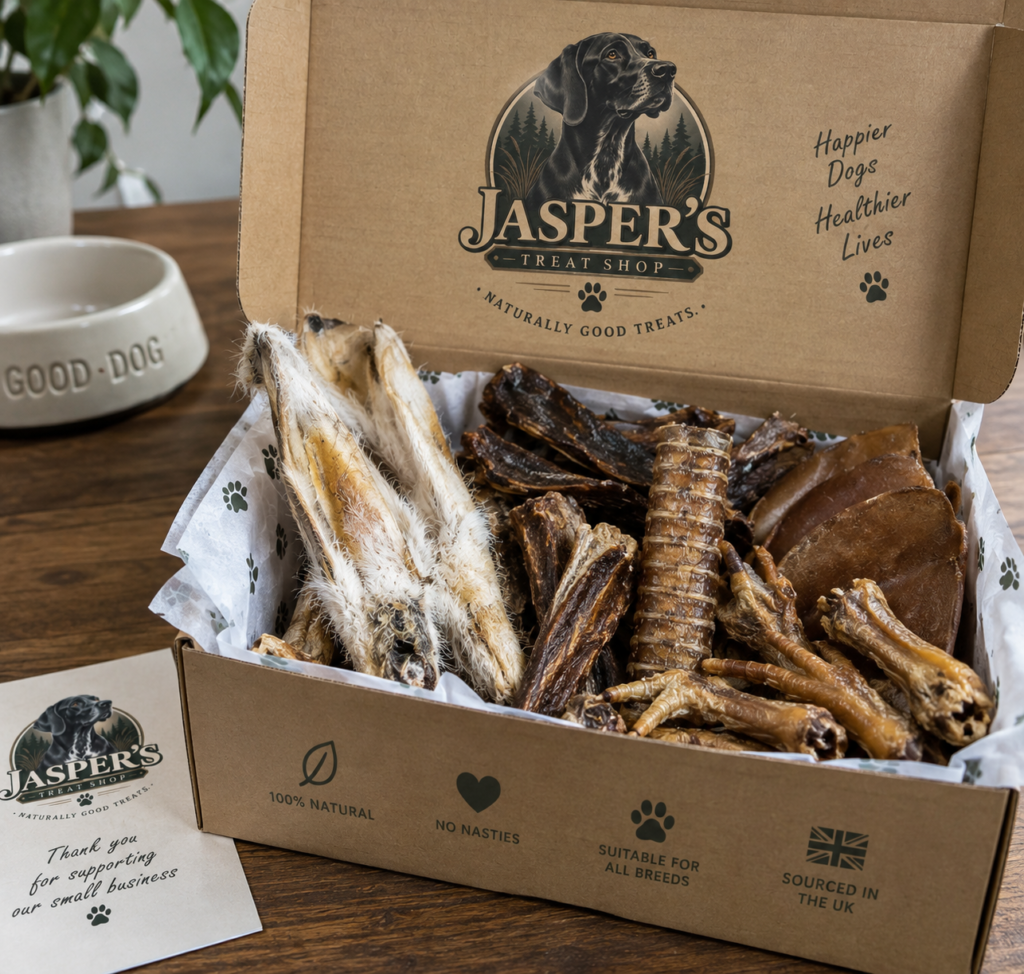
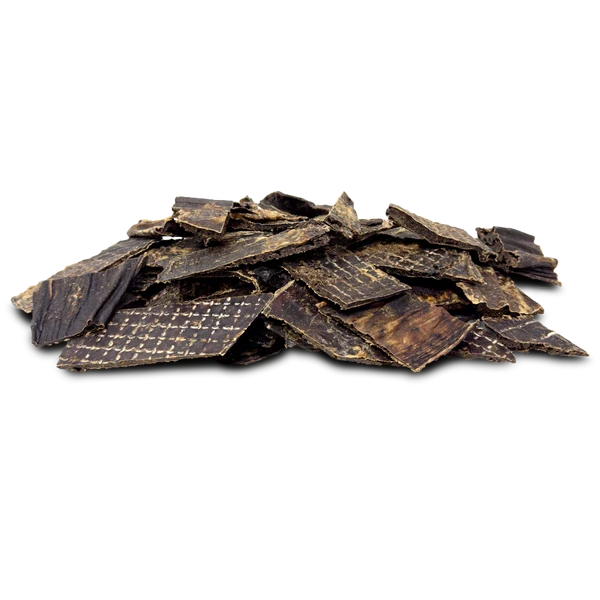
Beef treats are a firm favourite for many dogs thanks to their strong meaty smell and palatability. If you’re wondering whether beef treats are suitable for your dog, this guide covers the main types available, practical safety tips, how to use them for training or chewing, and where to find trusted options at Jasper’s Treat Shop.
Common types of beef treats you’ll find
Small training treats
Small, pocket‑sized beef training treats are designed for quick rewards during training sessions. These are handy on walks or for clicker work because they’re easy to break into tiny pieces and dogs usually find them very motivating. See our Pure Beef Training Treats for Dogs for an example: Pure Beef Training Treats for Dogs — 50g.
Dried liver and soft bites
Dried beef liver and soft bites are often used as occasional rewards or for stuffing puzzle toys. They tend to be smelly and irresistible to many dogs, which makes them useful when you need high value rewards during important training moments. A shop example is our Dried Beef Liver for Dogs — 150g.
Longer lasting chews and sticks
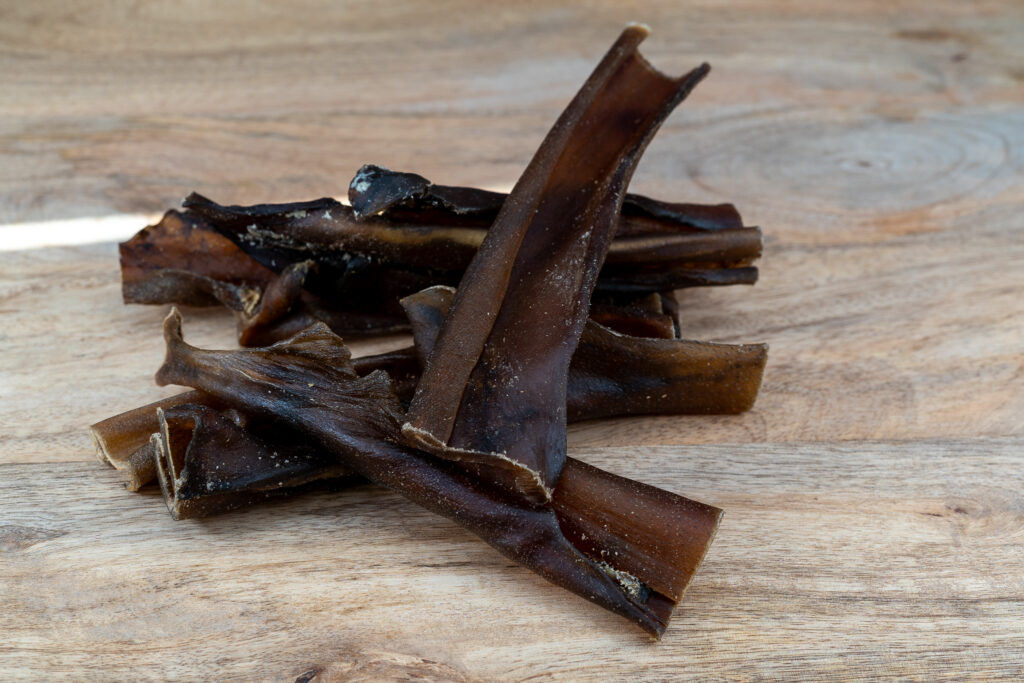
Beef tripe sticks and other chews provide a different experience: they last longer, give your dog something to gnaw on, and can be used to occupy them for a while. If you’re after a chew option, see our Beef Tripe Sticks for Dogs.
How to choose the right beef treat for your dog
- Consider size and hardness: Match the treat size to your dog. Tiny breeds need smaller pieces; big dogs need larger pieces that won’t be swallowed whole. If a chew is very hard, it may be too much for a small dog’s teeth.
- Purpose — training vs chewing: For training choose small, soft, easily breakable treats. For longer occupation choose a chew designed to last longer.
- Single‑ingredient or simple recipes: If your dog has a sensitive stomach or food allergies, simpler treats are easier to trial and monitor.
- Check processing type: You can choose air‑dried or dried options depending on texture preferences. Product pages in the shop will note processing where relevant.
- Look for suitable pack sizes: Training treats often come in smaller packs so they stay fresh and are convenient for pockets; longer chews often have individual packaging.
Practical safety advice
Supervise every chew
Always keep an eye on your dog when giving a new treat or a chew. If a piece breaks, remove any small fragments that could be a choking risk.
Introduce gradually
When introducing a new beef treat, start with a small amount to check tolerance. Monitor your dog for any signs of digestive upset or changes in behaviour. If you have concerns about a reaction, stop giving the treat and seek veterinary advice.
Consider dental and age factors
Puppies, senior dogs and dogs with dental issues may not be able to manage very hard chews. For these dogs, softer training treats or small dried bites are usually a better option.
Be alert to allergies and sensitivities
Some dogs can be sensitive or allergic to certain proteins. If you suspect a food sensitivity, try a short trial period with the new treat and watch for skin or digestive changes. Consult your vet for persistent or worrying signs.
Storage and freshness
Keep beef treats sealed in their original packaging or an airtight container, stored in a cool, dry place. Discard any treats with an off smell, discolouration or visible mould.
How often should dogs get beef treats?
Treats should be given as part of a balanced approach to feeding. Use smaller treats for frequent training rewards and reserve higher‑value or larger chews for occasional use. If you’re unsure about how treats fit into your dog’s overall diet, check your feeding plan and talk to a vet or pet nutrition adviser.
Using beef treats for training
- High‑value moments: Save the smelliest or most irresistible beef treats for the behaviours you most want to shape.
- Break into tiny bits: For rapid reinforcement, tear or break treats into very small pieces to avoid overfeeding during sessions.
- Keep some for real‑world distractions: Use the best treats when practising in busy places where your dog needs extra motivation.
Choosing products at Jasper’s Treat Shop
If you want to browse beef options at Jasper’s Treat Shop, here are relevant pages to explore:
- Beef Dog Treats category — a quick view of beef options in the shop.
- Pure Beef Training Treats for Dogs — 50g — pocket‑sized training treats.
- Dried Beef Liver for Dogs — 150g — a popular dried beef option.
- Beef Tripe Sticks for Dogs — an example of a longer lasting chew.
When to avoid beef treats
- If your dog has a known allergy or intolerance to beef protein.
- If your dog has a medical condition or special diet that restricts certain types of treats — in these cases follow the advice of your vet or nutrition adviser.
- If the treat is too hard for your dog’s teeth or the treat presents a clear choking risk due to size.
Quick checklist before buying beef treats
- Match treat size and texture to your dog’s age, breed and chewing strength.
- Decide whether you need training treats or a long‑lasting chew.
- Choose simpler ingredient lists if your dog is sensitive.
- Check packaging for storage and portion guidance, and follow those instructions.
- Start with a small amount and supervise on first use.
Beef treats can be a useful and enjoyable part of your dog’s life when chosen and used responsibly. Whether you need tiny training rewards or a chew to keep your dog occupied, Jasper’s Treat Shop carries a range of beef options to suit different needs and preferences. Always supervise new treats and consult a vet if you have concerns about allergies or your dog’s medical condition.
FAQs
Can puppies have beef treats?
Puppies can usually have small, soft beef training treats in moderation, but avoid hard chews until their adult teeth have come through. Introduce any new treat slowly and watch for digestive upset.
How do I know if a beef treat is safe for my dog to chew?
Choose a treat that matches your dog’s size and chewing ability, supervise the first few sessions, and discard any small fragments. If you’re unsure, select softer treats or training bites instead of hard chews.
What if my dog is allergic to beef?
If you suspect a beef allergy, stop giving beef treats and speak to your vet. Signs of food allergy can include persistent itching, recurrent ear infections or digestive upset. Your vet can advise on testing or an elimination diet.
Are beef training treats good for recall work?
High‑value, smelly beef training treats can be especially effective for recall practice, particularly in distracting environments. Use small pieces to avoid overfeeding during sessions.
How should I store beef treats?
Keep treats sealed in their original packaging or an airtight container in a cool, dry place. Discard any treats that look or smell off. Follow any storage instructions on the product label.
Frequently asked questions
Can puppies have beef treats?
Puppies can usually have small, soft beef training treats in moderation, but avoid hard chews until their adult teeth have come through. Introduce any new treat slowly and watch for digestive upset.
How do I know if a beef treat is safe for my dog to chew?
Choose a treat that matches your dog’s size and chewing ability, supervise the first few sessions, and discard any small fragments. If you’re unsure, select softer treats or training bites instead of hard chews.
What if my dog is allergic to beef?
If you suspect a beef allergy, stop giving beef treats and speak to your vet. Signs of food allergy can include persistent itching, recurrent ear infections or digestive upset. Your vet can advise on testing or an elimination diet.
Are beef training treats good for recall work?
High‑value, smelly beef training treats can be especially effective for recall practice, particularly in distracting environments. Use small pieces to avoid overfeeding during sessions.
How should I store beef treats?
Keep treats sealed in their original packaging or an airtight container in a cool, dry place. Discard any treats that look or smell off. Follow any storage instructions on the product label.