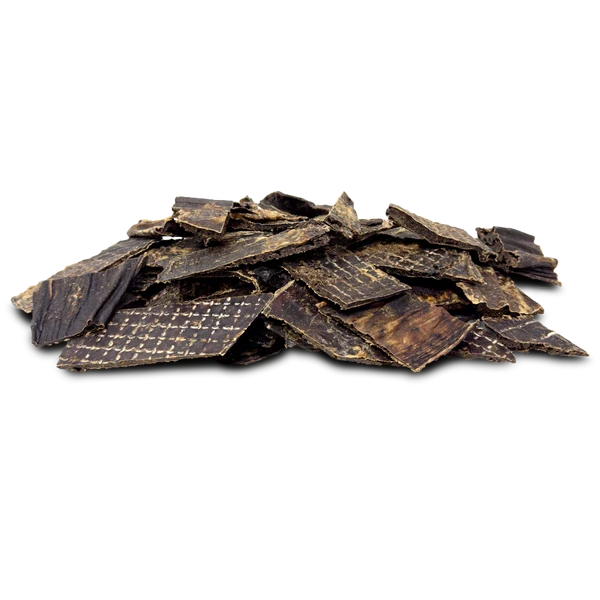
Buffalo-based treats — such as dried lung or spleen — are an increasingly common choice for UK dog owners looking for something different from standard beef or pork snacks. They can offer variety in texture and flavour and may suit dogs who do well on alternative proteins. This article looks at practical pros and cons, safety tips and how to use buffalo treats responsibly with your dog.
What are buffalo dog treats?
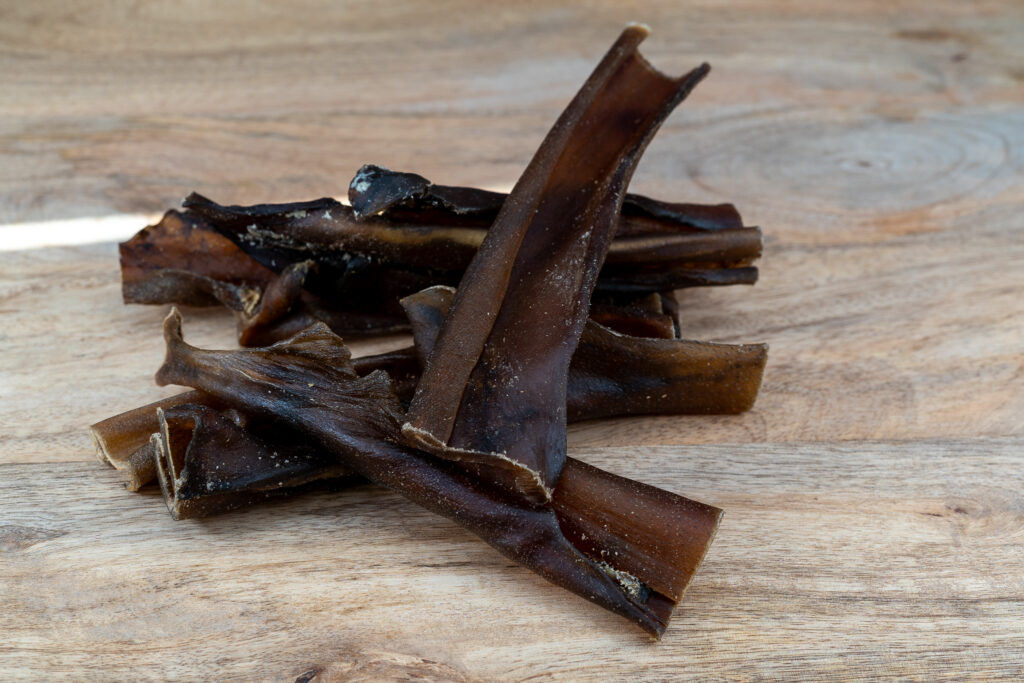
Buffalo treats are made from parts of the water buffalo or similar species, prepared and dried to make chews or bite-sized rewards. At Jasper’s Treat Shop you’ll find items such as 100% Natural Buffalo Lung Dog Treats – 60g and 100% Natural Buffalo Dog Treats – 150g. These appear in our Buffalo Dog Treats category alongside other natural options.
Why some owners choose buffalo treats
- Variety: Offering a different animal protein can help keep training and reward time interesting for dogs that get bored of the same flavour.
- Novel protein option: For dogs that’ve eaten a lot of beef, chicken or pork, buffalo is a different source of animal protein — some owners try novel proteins when they’re rotating treats or trialling alternatives. (If you suspect a food intolerance or allergy, discuss testing or an elimination diet with your vet before changing your dog’s main diet.)
- Different textures: Buffalo treats come in a range of textures — some are soft and easy to break into tiny training pieces, others are chewier for longer engagement.
Things to consider before buying buffalo treats
- Product type and purpose: Decide whether you need quick training treats or longer-lasting chews. Training treats are small and soft; lung and spleen pieces can often be broken into training-sized pieces, while larger chews are for slower consumption.
- Size and chewing strength: Match the treat size and toughness to your dog’s jaw and chewing habits. Fragile or small treats may be a choking risk for larger, enthusiastic chewers; very hard chews can damage small dogs’ teeth.
- Allergies and sensitivities: If your dog has known food allergies, ask your vet whether trying a different protein is sensible. Introduce any new treat slowly and watch for digestive upset or skin changes.
- Feeding as a treat, not a staple: Treats should make up only a small portion of daily calories and are not a substitute for a balanced complete diet. Use them for rewards, training or occasional enrichment.
- Storage: Keep dried treats in a cool, dry place and follow any packaging guidance to maintain freshness.
How to introduce buffalo treats safely
- Start small. Offer one or two small pieces and observe how your dog reacts — both behaviourally and physically.
- Watch for digestive signs such as vomiting or diarrhoea, and for skin or ear scratching which can indicate a sensitivity. If you notice concerning symptoms, stop the treat and consult your vet.
- Adjust portion sizes so treats don’t substantially increase daily food intake. For training sessions, break larger pieces into many tiny rewards so you can reward without overfeeding.
- Supervise chews. If the treat will be chewed and broken down, supervise the session to reduce choking risk and remove large fragments when needed.
Using buffalo treats for training and enrichment
Buffalo treats can suit both quick reward work and longer chewing sessions depending on the product. For example, smaller dried pieces are handy in the pocket for clicker work or recall practice, while larger, firmer items can occupy a dog for enrichment. If you’re training multiple repetitions, tear or break a larger treat into many small pieces so you can reward frequently without feeding too many whole portions.
Who should avoid buffalo treats (or use caution)?
- Dogs with a known intolerance to buffalo or closely related species — stop feeding if you see adverse signs.
- Dogs that gulp food or are prone to choking — choose appropriate size and supervise.
- Dogs on a strict veterinary diet — always check with the vet before adding non-prescribed treats.
Choosing the right buffalo product at Jasper’s Treat Shop
At Jasper’s we offer buffalo options in the Buffalo Dog Treats category. Two products you might consider are:
- 100% Natural Buffalo Lung Dog Treats – 60g — typically available as bite-sized dried pieces that can be broken into smaller rewards.
- 100% Natural Buffalo Dog Treats – 150g — a larger pack that may suit owners wanting to try a different protein over several sessions.
If you’re still unsure whether buffalo treats are right for your dog, browse our wider Natural Dog Treats or the Dog Training Treats category to compare textures and sizes.
Practical tips for everyday use
- Keep treats handy: Have small portions in a treat pouch for walks and training so you don’t over-handle a large piece.
- Rotate flavours: Rotating between proteins can keep interest high and reduce over-reliance on one type of treat.
- Store properly: Reseal packs after opening and follow any label guidance to keep treats fresh and palatable.
- Consider activity: Use longer-lasting buffalo chews for windy wet days at home and quick training pieces for outdoors or social classes.
Final thoughts
Buffalo treats can be a perfectly reasonable choice for many dogs, offering variety and alternative texture. Like all treats, they should be used responsibly — introduced slowly, matched to your dog’s size and chewing style, and given in moderation alongside a balanced diet. If your dog has health concerns, dietary restrictions or persistent reactions to new foods, seek tailored advice from your veterinary practice.
FAQs
Are buffalo treats safe for puppies?
Puppies can have buffalo treats, but choose appropriately sized, soft pieces and avoid hard chews that could damage growing teeth. Introduce any new treat gradually and supervise chewing.
Can buffalo treats cause allergies?
Any animal protein can potentially trigger an allergic reaction in a sensitive dog. If you suspect a food allergy, speak with your vet about diagnosis and an elimination trial rather than relying on trial-and-error at home.
How often can I give buffalo treats?
Treat frequency depends on your dog’s size, daily calorie needs and the treat’s size. Keep treats to a small part of daily intake — use small pieces for training and reserve larger chews for occasional enrichment sessions.
Are buffalo treats suitable for training?
Yes — many buffalo products can be broken into small pieces for training. Look for items that are easy to portion into many small rewards so you can keep sessions high-repetition without overfeeding.
Where can I find buffalo treats at Jasper’s Treat Shop?
Browse our Buffalo Dog Treats category or check specific products like 100% Natural Buffalo Lung Dog Treats – 60g and 100% Natural Buffalo Dog Treats – 150g.
Frequently asked questions
Are buffalo treats safe for puppies?
Puppies can have buffalo treats, but choose appropriately sized, soft pieces and avoid hard chews that could damage growing teeth. Introduce any new treat gradually and supervise chewing.
Can buffalo treats cause allergies?
Any animal protein can potentially trigger an allergic reaction in a sensitive dog. If you suspect a food allergy, speak with your vet about diagnosis and an elimination trial rather than relying on trial-and-error at home.
How often can I give buffalo treats?
Treat frequency depends on your dog’s size, daily calorie needs and the treat’s size. Keep treats to a small part of daily intake — use small pieces for training and reserve larger chews for occasional enrichment sessions.
Are buffalo treats suitable for training?
Yes — many buffalo products can be broken into small pieces for training. Look for items that are easy to portion into many small rewards so you can keep sessions high-repetition without overfeeding.
Where can I find buffalo treats at Jasper’s Treat Shop?
Browse our Buffalo Dog Treats category or check specific products like 100% Natural Buffalo Lung Dog Treats – 60g and 100% Natural Buffalo Dog Treats – 150g.