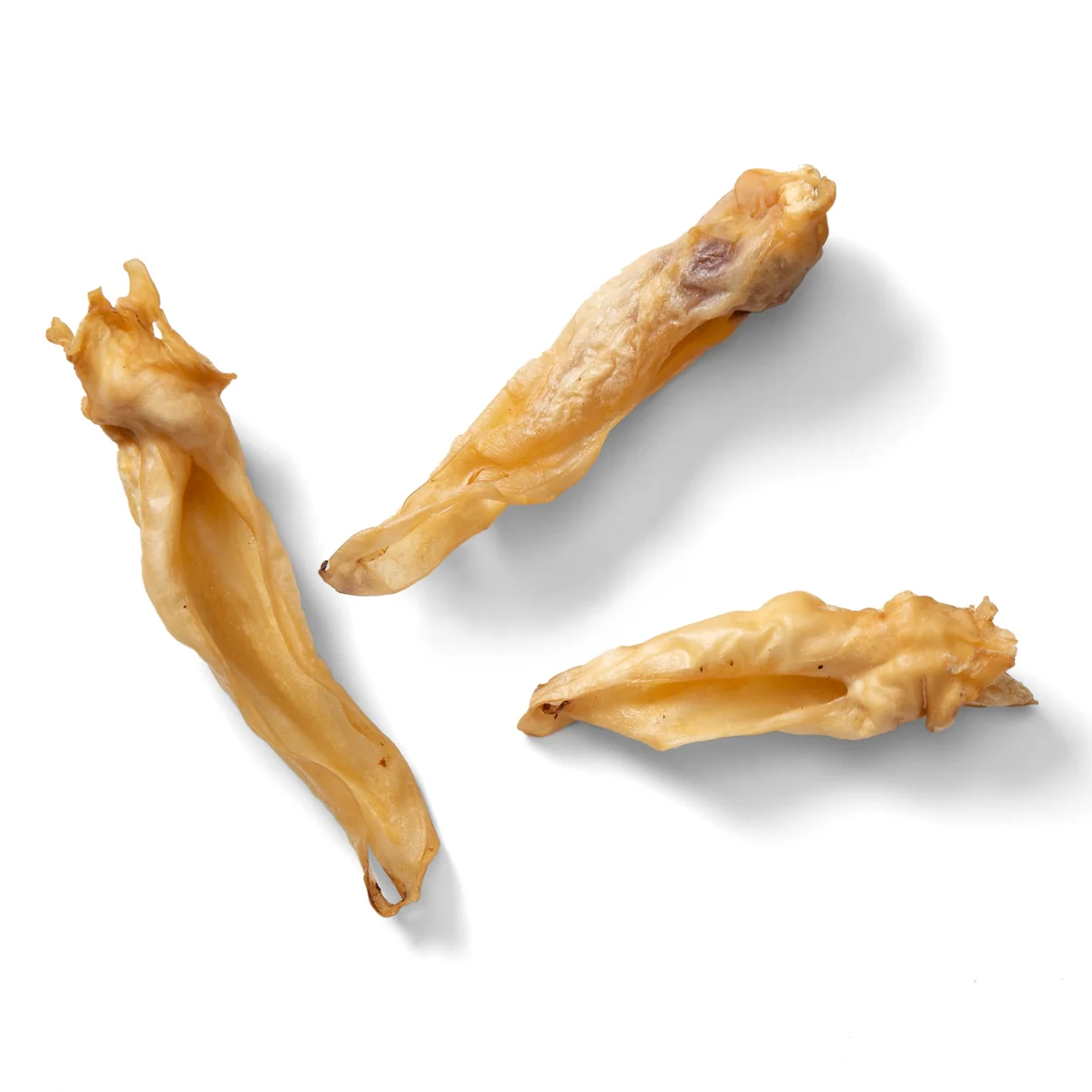
Natural chews — things like ears, tripe sticks and dried organs — are staples in many UK homes. They can be handy for rewarding, keeping a dog occupied or offering variety alongside everyday food. But “natural” covers a wide range of products and not every chew is a good match for every dog. This article explains the practical factors to check when buying a natural chew and gives simple safety guidance for introducing and supervising chews at home.
What do we mean by “natural” chews?
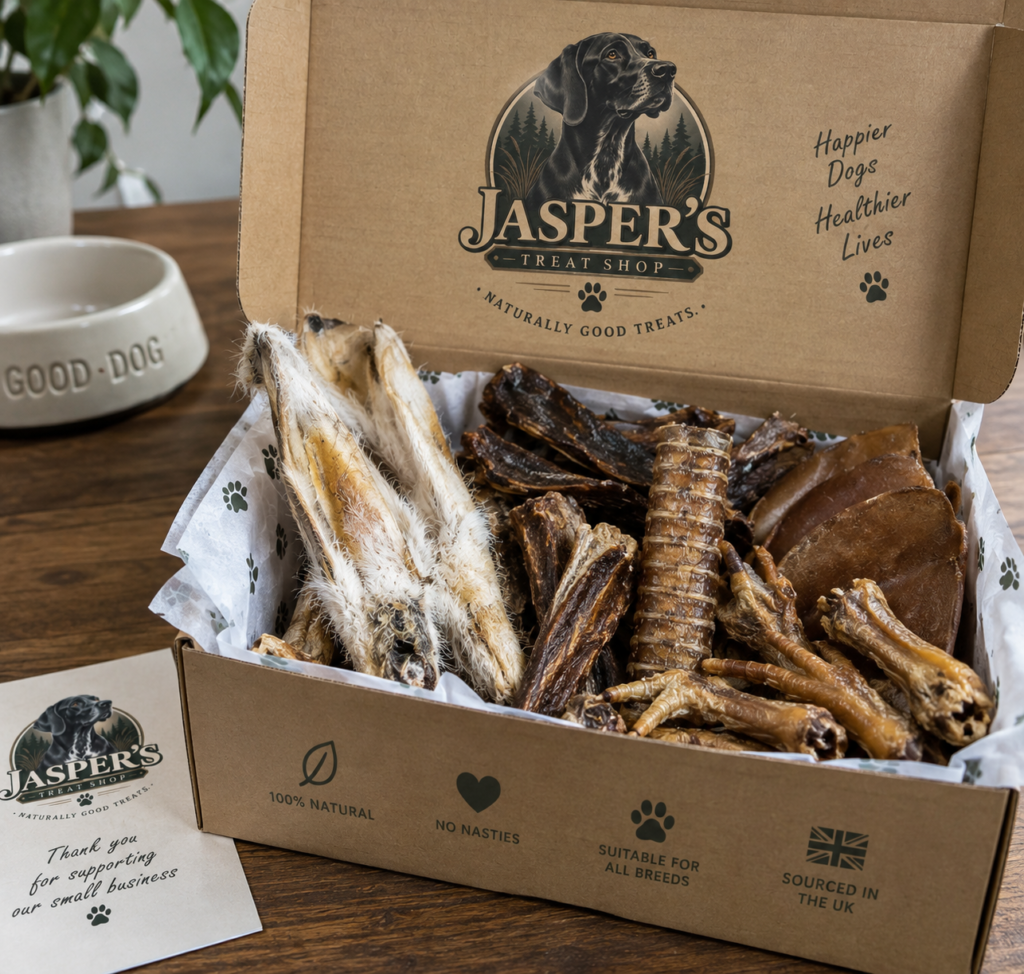
“Natural” generally refers to chews derived from a single animal source and minimally processed (dried, air-dried or smoked) rather than highly processed or full of additives. Examples you may see include ears, lung, tripe and dried liver. For a quick browse of natural options available at Jasper’s Treat Shop, see the Natural Dog Chews category.
Common types of natural chews (examples)
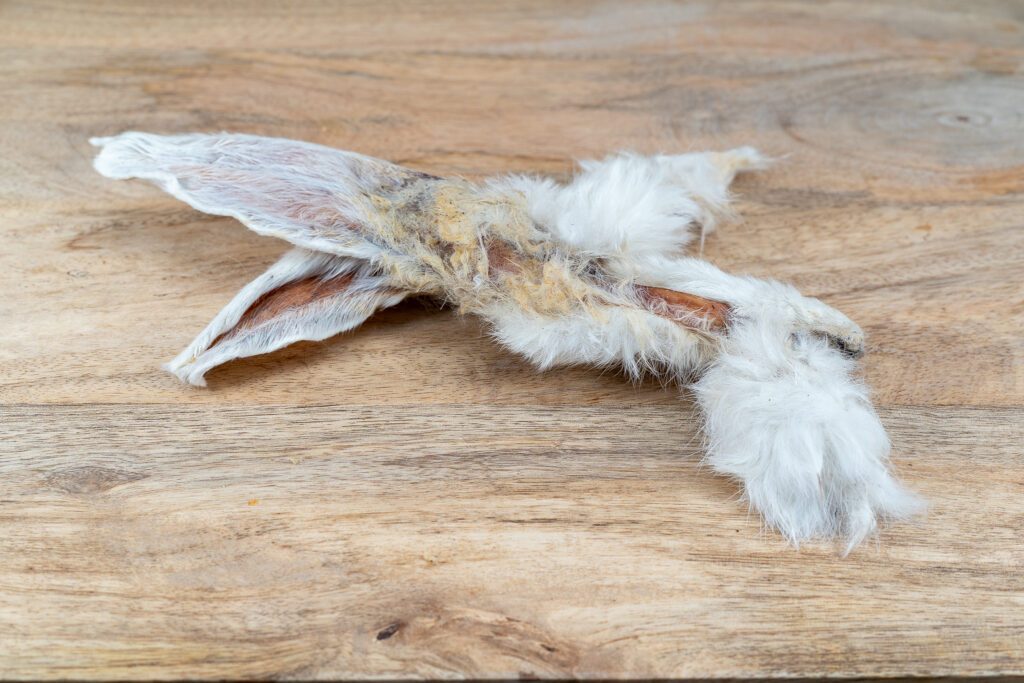
- Lamb ears with fur — typically offered in small packs and may be suitable for dogs that enjoy softer, short-lived chews.
- Sow (pig) ears and pig ear strips — usually longer-lasting than thin treats but softer than some very hard chews.
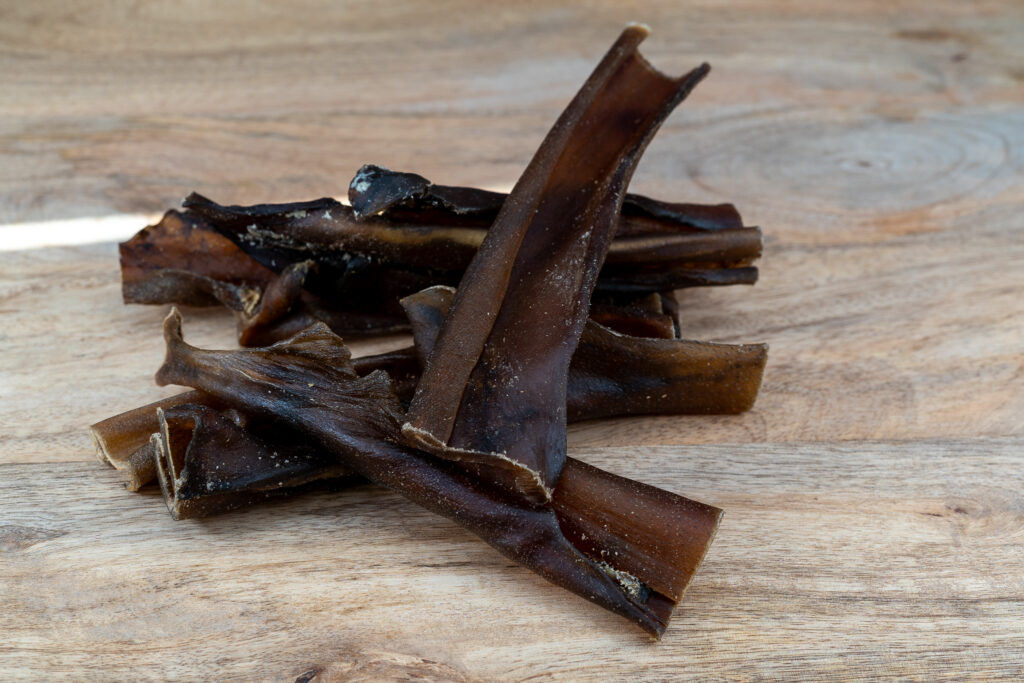
- Beef tripe sticks and dried beef liver — pocket-sized options often used for training or quick rewards.
- Buffalo lung and buffalo spleen — lightweight, typically brittle chews that break into small pieces.
- Smaller pocket treats like duck training treats and venison training treats — technically treats rather than long-lasting chews, but still part of the natural range.
Key things to look for when choosing a natural chew
1. Size and shape suitable for your dog
Pick chews that are large enough that your dog cannot swallow them whole. A chew should allow chewing and gnawing without being a choking hazard. Small breeds and puppies need smaller, softer options; giant breeds and powerful chewers may need thicker, tougher items. When in doubt, choose a larger, denser chew rather than a tiny one.
2. Appropriate durability for your dog’s chewing style
Dogs vary from “nibblers” to “power chewers.” Softer chews (some ears, lung pieces) will be finished quickly by many dogs; harder or thicker chews (some air-dried or long-lasting chews) last longer. Consider how long you want the chew to occupy your dog and match the product to their style. For long-lasting options see the Long Lasting Dog Chews category.
3. Simple composition — single-ingredient when possible
Single-ingredient chews (e.g. dried liver, lung or ear) make it easier to identify potential triggers if your dog has food sensitivities. Avoid chews with several added ingredients unless you can clearly see and tolerate them.
4. Processing method and hygiene
Look for chews that are dried or air-dried and handled hygienically. Ask or check product pages for how items are processed if this matters to you. Proper drying reduces moisture that can encourage spoilage; keep unopened packs sealed and store opened chews in a cool, dry place.
5. Origin and supplier transparency
Reliable suppliers will be clear about the product type and offer basic information on the page. If provenance, farming standards or traceability are important to you, check the product description or contact the seller before buying.
6. Allergen checks and dietary considerations
If your dog has known food sensitivities, choose chews made from a protein you trust. For dogs with a history of stomach upsets, introduce any new chew gradually and monitor. If you’re unsure how a chew will affect your dog, consult your vet for personalised advice.
7. Packaging and portion size
Smaller packs can be useful for trialling a new chew without committing to a large quantity. Larger packs may be good value for dogs that enjoy a particular chew, but ensure you can store them safely once opened.
Safety: how to give chews and supervise
- Always supervise the first few sessions when giving a new chew so you can see how your dog handles it.
- Remove small, sharp or jagged fragments that could be swallowed whole. Discard chews that become small enough to pose a choking risk.
- Never leave chews out overnight or unsupervised for dogs that are aggressive chewers or who tend to gulp large pieces.
- If your dog is elderly or has known dental problems, check with your vet before offering very hard chews.
Introducing a new chew: a simple plan
- Start with a short supervised session to see how your dog approaches the chew.
- Offer the chew for 10–20 minutes and remove it if large pieces break off or the dog begins to gulp rapidly.
- Watch your dog’s stools over the next 24–48 hours for any changes; if you notice persistent diarrhoea, vomiting or other concerns, stop the chew and seek veterinary advice.
Choosing chews by common scenarios
Puppies
Younger dogs have developing teeth and smaller mouths. Choose soft, appropriately sized items and avoid very hard chews that could damage young teeth. Supervise closely.
Power chewers
Look for thicker, denser chews designed to withstand sustained gnawing, and remove any pieces that become small. Consider rotating chews so no single item is chewed to a dangerous size.
Sensitive stomachs or food sensitivities
Choose single-protein chews made from a source you know is well tolerated. Introduce slowly and monitor. If in doubt, ask your vet for tailored advice.
Storage and shelf life
Keep chews sealed in their original packaging or airtight containers in a cool, dry place. High humidity or heat can affect texture and quality. If a chew develops an unusual odour, colour change or visible mould, dispose of it.
Practical checklist before you buy
- Is the chew size appropriate for your dog’s mouth and chewing strength?
- Is the chew single-ingredient or are additives clearly listed?
- Does the product page provide processing or handling information?
- Can you supervise your dog while they chew, especially the first time?
- Do you have a plan to remove and safely discard small/fractured pieces?
Further reading and related products
Browse natural options on the Natural Dog Chews category page and explore training-sized natural treats if you need pocket-sized rewards: Natural Dog Chews and Dog Training Treats. If you want long-lasting choices, see Long Lasting Dog Chews.
When to consult a vet
If your dog has a history of gastrointestinal upsets, known food allergies, a tendency to gulp, or dental problems, ask your veterinary practice before offering new chews. Your vet can help you choose appropriate options and advise on monitoring.
Final thoughts
Natural chews can be a straightforward, enjoyable addition to your dog’s routine when chosen with care. Focus on suitable size, simple composition, safe processing and sensible supervision. Start slowly with any new chew and keep an eye on how your dog copes — that’s the best way to enjoy treats with confidence.
Frequently asked questions
Are natural chews safe for puppies?
Some natural chews are suitable for puppies if they’re soft and appropriately sized, but avoid very hard or large chews that could damage young teeth or create a choking risk. Supervise all chew sessions and check with your vet if you’re unsure.
How long should I let my dog have a chew for?
There’s no fixed time — it depends on the chew and your dog’s style. Supervise the first session and remove the chew if it breaks into small pieces or your dog starts gulping. For many dogs, short supervised sessions of 10–30 minutes are sensible.
What signs show a chew might not agree with my dog?
If your dog develops persistent vomiting, diarrhoea or other worrying symptoms after trying a chew, stop giving it and consult your vet. Mild changes in stool after a new food can happen but persistent or severe signs need professional advice.
Can I leave a natural chew out all day?
It’s safer to supervise or limit chew time, especially for dogs that are heavy chewers or who tend to gulp. Leaving chews unattended increases the chance of swallowing large fragments or choking.
How should I store natural chews?
Keep chews sealed in their original packaging or an airtight container in a cool, dry place. Discard any chew that shows mould, an unusual odour, or obvious spoilage.