Lamb is a popular protein in many dog treats and chews. For UK owners wondering whether to try lamb treats, this guide covers the common forms you’ll find, how to introduce them safely, what to watch for and practical tips for storage and use. Wherever you’re starting from — training rewards, a long-lasting chew or an occasional treat — the aim here is to help you make an informed choice that suits your dog.
What do we mean by “lamb” treats?
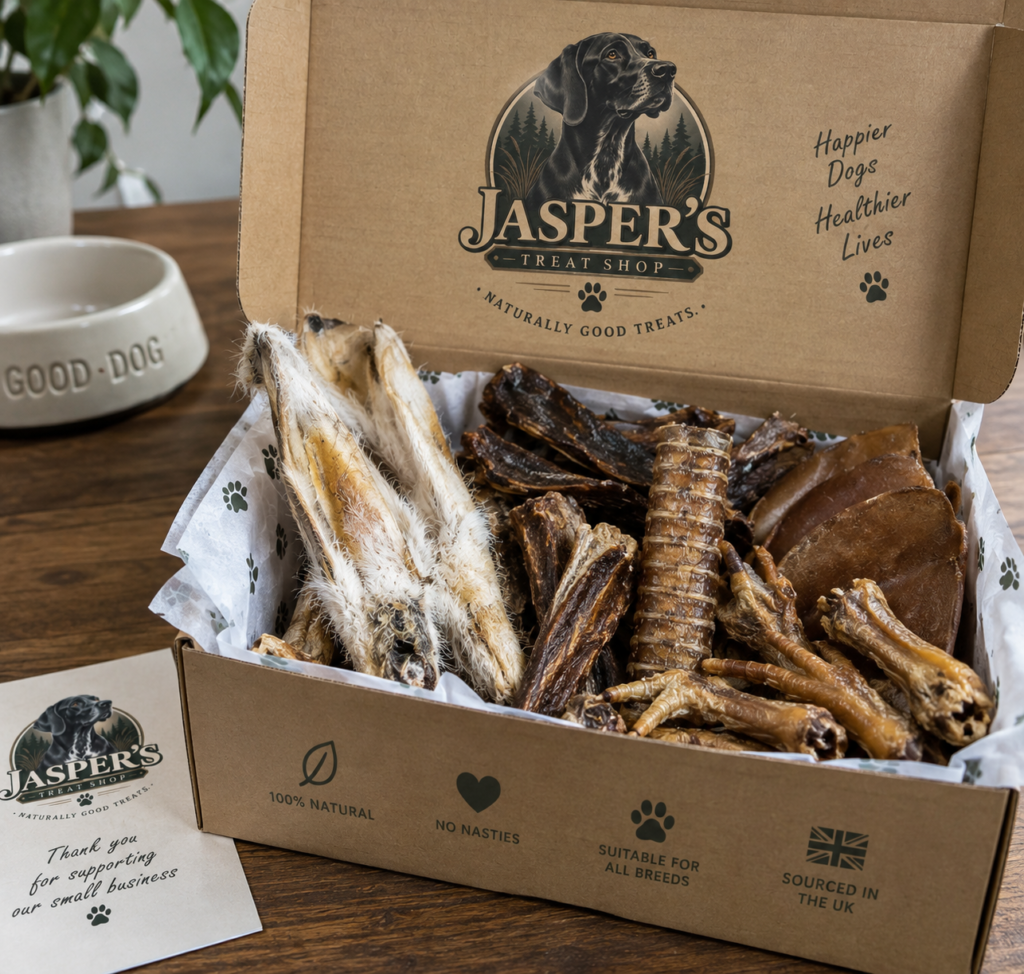
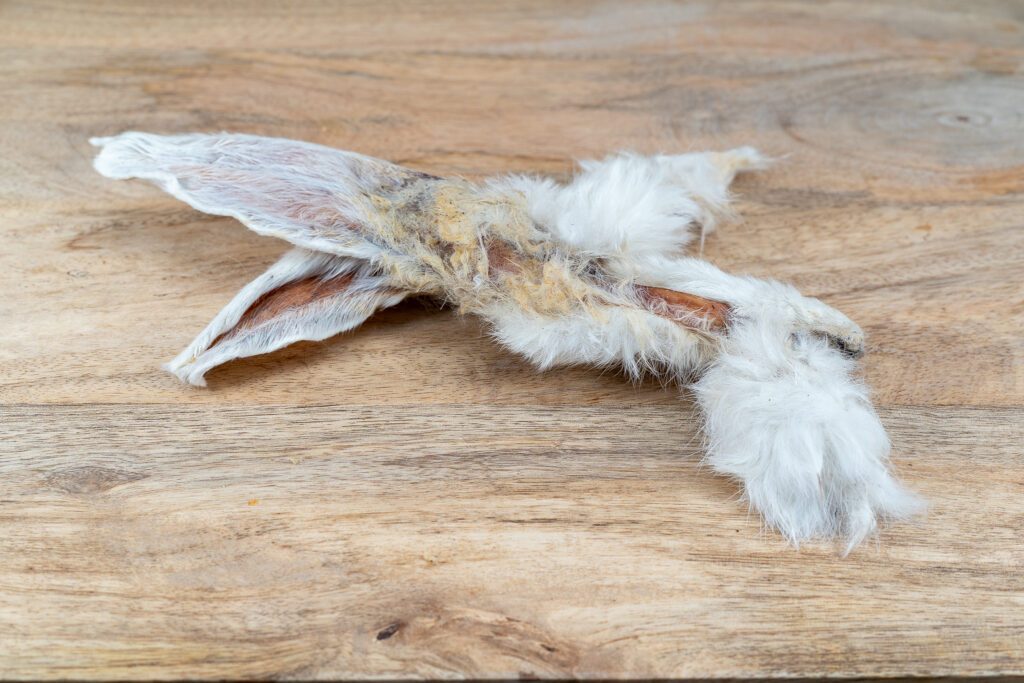
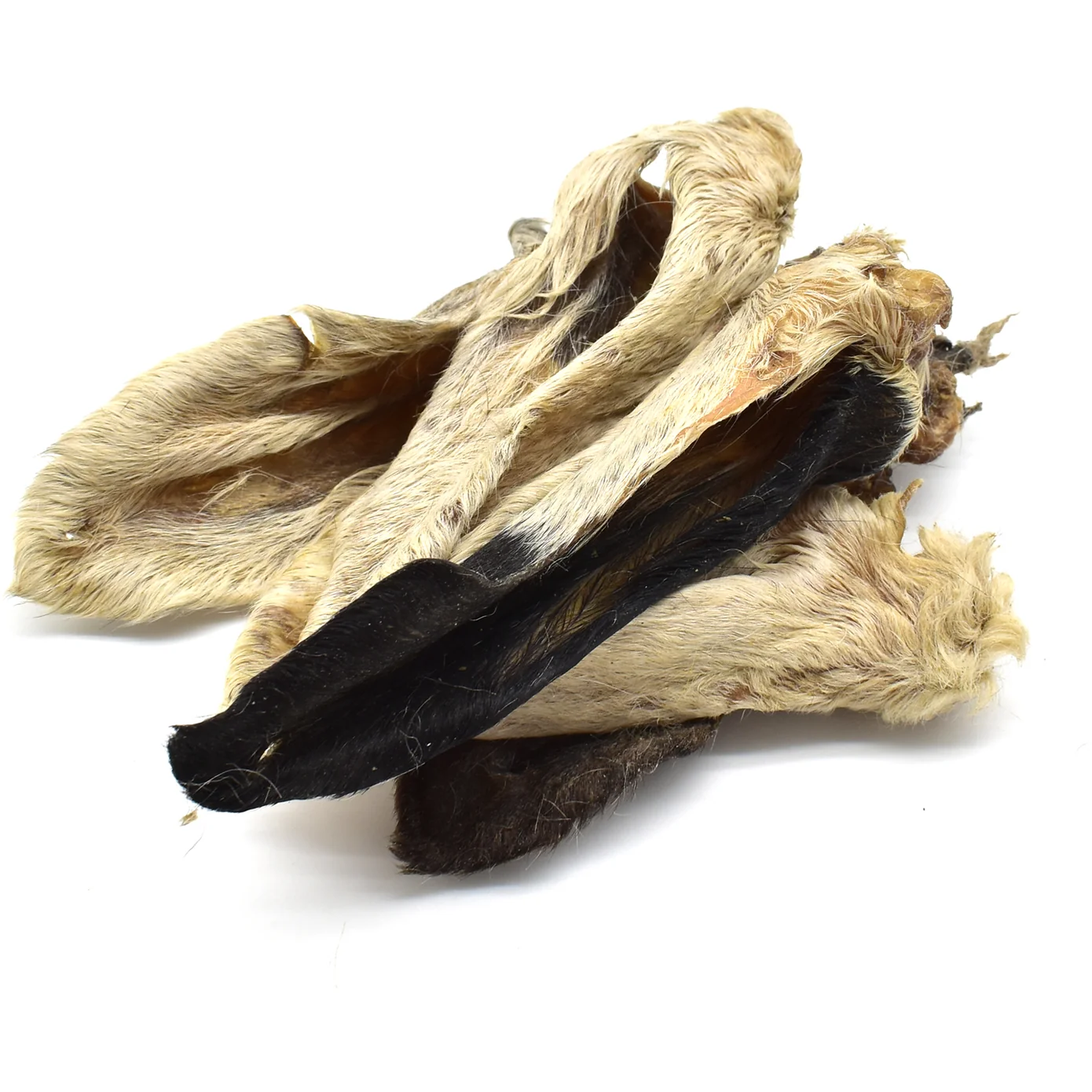
When shops or brands talk about lamb treats, they usually mean treats made from parts of the lamb such as ears, lung, or meat that have been dried, air-dried or otherwise prepared into a convenient form. Jasper’s Treat Shop currently lists a lamb product in the Lamb category — Lamb Ears with Fur for Dogs – Natural Dog Chews 2 Pack — which is one of the common natural chew formats you’ll see.
Common forms of lamb treats
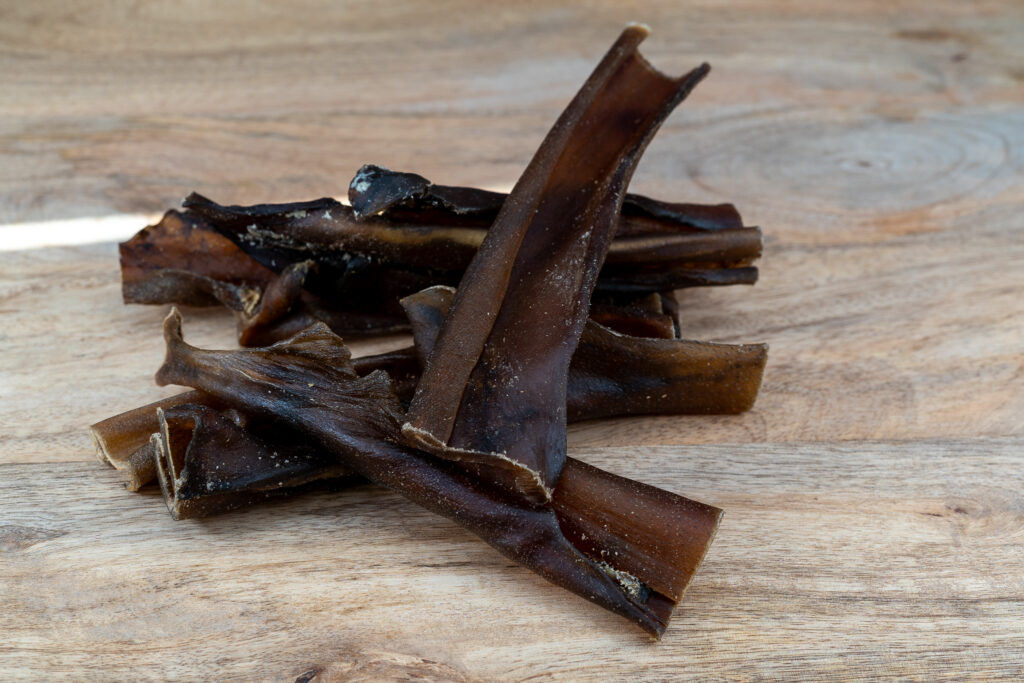
- Whole chews (ears, pizzle, etc.) — natural chews that take longer to consume and are often used as a longer-lasting reward.
- Small training pieces — bite-sized dried lamb snacks suitable for repetition during training sessions.
- Dried strips or jerky-style bites — convenient portions for walks or pockets.
Note: retailers use different processing methods and presentations. Always check the product page or packaging for details before buying.
Why some owners choose lamb
There are a few practical reasons people pick lamb treats for their dogs:
- Variety: lamb provides a different protein option compared with more common proteins such as chicken or beef.
- Palatability: many dogs respond well to the flavour of lamb and find lamb-based treats appealing.
- Rotation: some owners rotate proteins to keep meals and treats interesting.
If you have any concerns about your dog’s diet or sensitivities, speak to a veterinary professional before changing proteins.
Introducing lamb treats to your dog
Introduce any new treat gradually and observe your dog for a couple of days. A simple approach:
- Start with a small amount or one small piece.
- Watch for signs of digestive upset or skin reactions; if anything unusual appears, stop the treat and consult your vet.
- Use smaller pieces for training or as rewards to avoid overfeeding.
Safety and supervision
Safety is the priority whenever you give a dog a chew or treat:
- Supervise your dog while they are chewing, especially with whole chews like ears.
- Remove small or sharp fragments promptly to prevent choking or oral injury.
- Do not leave chews with unsupervised puppies or dogs who gulp large pieces; consider size and chewing style when selecting a product.
If you’re unsure whether a particular lamb chew is suitable for your dog’s age, size or chewing habits, consult a pet care professional for tailored advice.
Portioning: how often and how much?
Treats should be given in moderation and factored into your dog’s overall daily intake. Useful rules of thumb:
- Use small pieces during training to avoid giving too many calories at once.
- Reserve whole chews for enrichment or occasional longer sessions, not daily large portions.
- If your dog is on a calorie-controlled diet, adjust meal portions when giving more treats that day.
When in doubt about portioning for bodyweight or specific dietary needs, seek guidance from a vet or qualified canine nutritionist.
Storage and care for lamb treats
- Store in a cool, dry place away from direct sunlight.
- Reseal bags after opening to keep chews fresh and to avoid attracting pests.
- Discard any treat that looks mouldy, smells off or has visible deterioration.
Choosing the right lamb treat
When comparing lamb treats, consider:
- Form — smaller pieces for training, whole chews for longer-lasting activity.
- Packaging — clear labelling and practical resealable packs help with portion control and storage.
- Source and processing — if sourcing is important to you, look for relevant product information on the retailer’s page.
At Jasper’s Treat Shop you can browse our lamb options in the Lamb category to see what suits your dog: Lamb. For a ready example of a natural lamb chew we stock Lamb Ears with Fur for Dogs – Natural Dog Chews 2 Pack: Lamb Ears with Fur for Dogs – Natural Dog Chews 2 Pack.
Using lamb treats in training and enrichment
Lamb treats can be good motivators when used correctly:
- Break larger pieces into many small bits for high-reward, low-calorie training repetitions.
- Use whole chews for enrichment sessions to encourage calm, occupied behaviour at home.
- Vary flavours and textures to keep your dog interested, but introduce new items one at a time.
Alternatives and variety
If you’re exploring different natural treat options, you may wish to compare lamb with other categories available at Jasper’s Treat Shop, such as Natural Dog Chews or other protein-based treats. See the Natural Dog Treats category here: Natural Dog Treats. For training-specific options, try the Dog Training Treats category: Dog Training Treats.
Key takeaways
- Lamb is one of several protein options for dog treats; many owners use it for variety and palatability.
- Introduce lamb treats gradually and watch your dog for any adverse reactions.
- Always supervise chewing, choose the right form for your dog’s size and chewing style, and store treats correctly.
- Speak to a veterinary professional if you have concerns about allergies, diet management or health-related issues.
Frequently asked questions
Can all dogs have lamb treats?
Most dogs can have lamb treats, but dogs with known food sensitivities or allergies may react to any novel protein. If your dog has a diagnosed food allergy, check with a vet before introducing a new treat.
Are lamb ears safe for puppies?
Puppies should only have chews and treats appropriate for their age and chewing ability. Small or soft pieces may be safer for younger dogs; avoid whole chews that could be a choking risk for puppies who still have baby teeth. Supervise closely.
How should I store lamb treats?
Keep them in a cool, dry place and reseal opened packs. Throw away any treat that looks mouldy, has changed smell or shows signs of deterioration.
How do I use lamb treats in training?
Break treats into small pieces for many repetitions. Save higher-value or larger pieces for harder tasks, and use low-calorie bits for routine obedience or recall training.
Where can I buy lamb treats from Jasper’s Treat Shop?
You can view our lamb options on the Lamb category page and the specific Lamb Ears with Fur product page: Lamb | Lamb Ears with Fur for Dogs – Natural Dog Chews 2 Pack.
Frequently asked questions
Are lamb treats suitable for dogs with food sensitivities?
Some owners use lamb as an alternative protein if their dog has shown adverse reactions to common proteins, but you should discuss any dietary changes with your vet before introducing new treats.
Can puppies have lamb chews?
Puppies can have treats suitable for their age and size; avoid large whole chews that could present a choking risk and always supervise puppies while they chew.
How should I store lamb treats to keep them fresh?
Store in a cool, dry place and reseal packs after opening. Discard any treat that looks mouldy, smells off or shows signs of deterioration.
How do I use lamb treats for training?
Break lamb treats into small pieces for multiple repetitions during training. Use smaller, low-calorie pieces for frequent rewards.
Where can I find lamb treats at Jasper’s Treat Shop?
Browse the Lamb category or the Lamb Ears with Fur product page to see available lamb treat options.