Introduction
Natural dog treats are a popular choice for owners who want simple, recognisable ingredients and useful options for training, enrichment and long-lasting chewing. This guide helps you choose the right treats for your dog’s needs, use them safely and store them properly — with practical tips and examples from Jasper’s Treat Shop.
Why owners choose natural dog treats
Many people favour natural treats because they are typically single-ingredient or minimally processed, making it easier to know what you are giving your dog. Natural options work well for training, rewarding good behaviour and offering low-prep treats during walks or at home.
Choosing the right natural treat for your dog
1. Match treat type to the activity
- Training: Choose small, soft, easy-to-carry treats so you can reward quickly and often. Pocket-sized training treats are convenient when you need rapid reinforcement.
- Short rewards or everyday snacks: Thin, quickly eaten treats suit frequent rewards or calm moments at home.
- Longer-lasting chews: Dried ears, tripe sticks or air-dried strips can occupy a dog for longer, but always supervise and choose the right size.
2. Consider your dog’s preferences and sensitivities
Dogs can have strong likes and dislikes — some prefer poultry, others beef or lamb. If you suspect a food sensitivity, try single-protein treats and introduce new items one at a time. If you have any health concerns, consult your vet before changing your dog’s diet.
3. Size and texture matter
Match the treat size and hardness to your dog’s breed, age and chewing style. Small or soft treats work for tiny breeds and puppies; sturdier chews suit bigger or more powerful chewers. Avoid treats that are too large for a small dog or too hard for a young or elderly dog.
Practical examples from Jasper’s Treat Shop
Here are a few product types you might consider when picking natural treats:
- Pocket-sized training treats: Pure Duck, Pure Venison and Pure Beef Training Treats — handy for quick rewards during sessions.
- Short chews and snacks: Dried Beef Liver and 100% Natural Buffalo Lung are examples of single-ingredient snacks that many owners use for day-to-day treats.
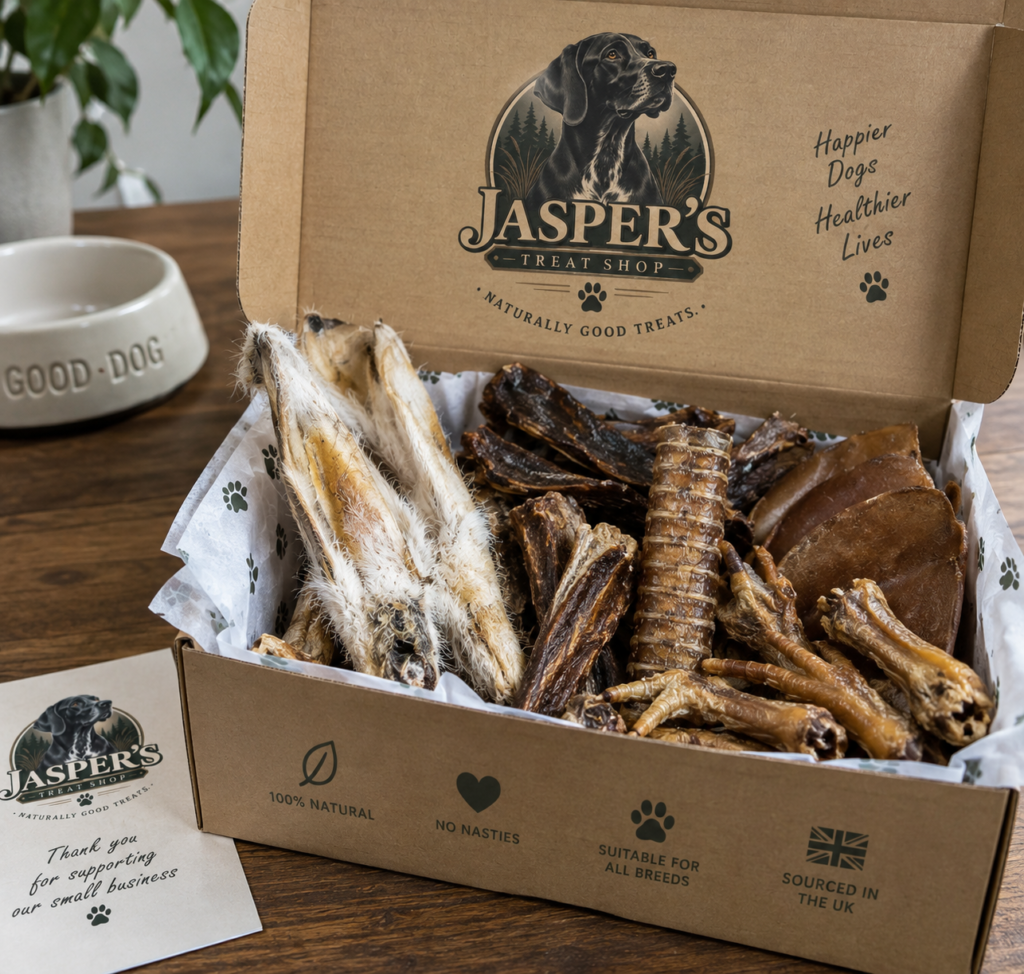
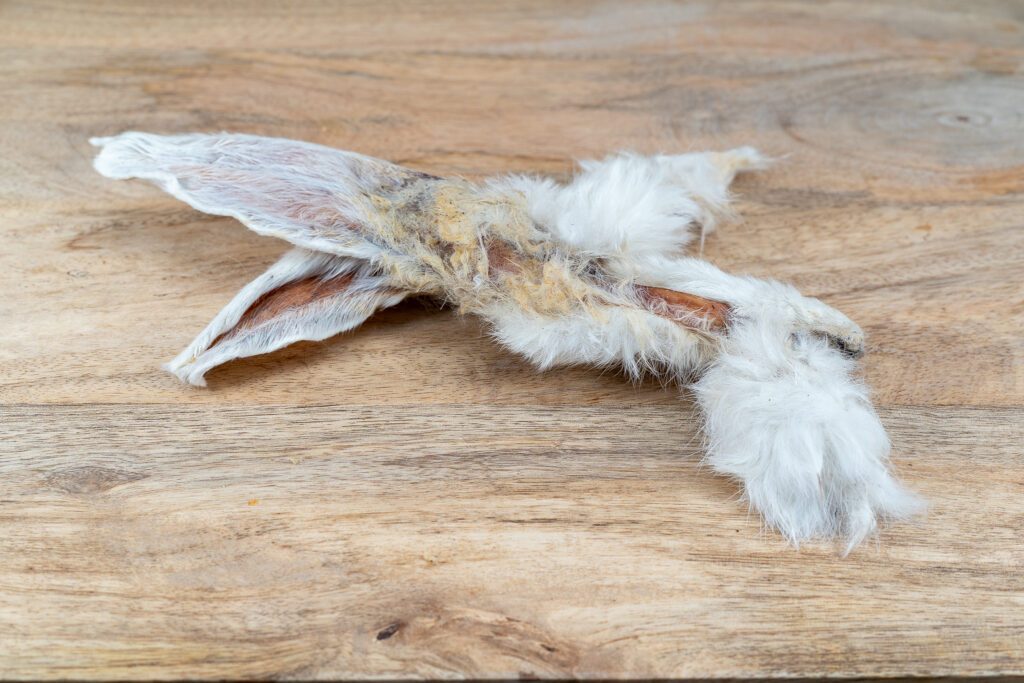
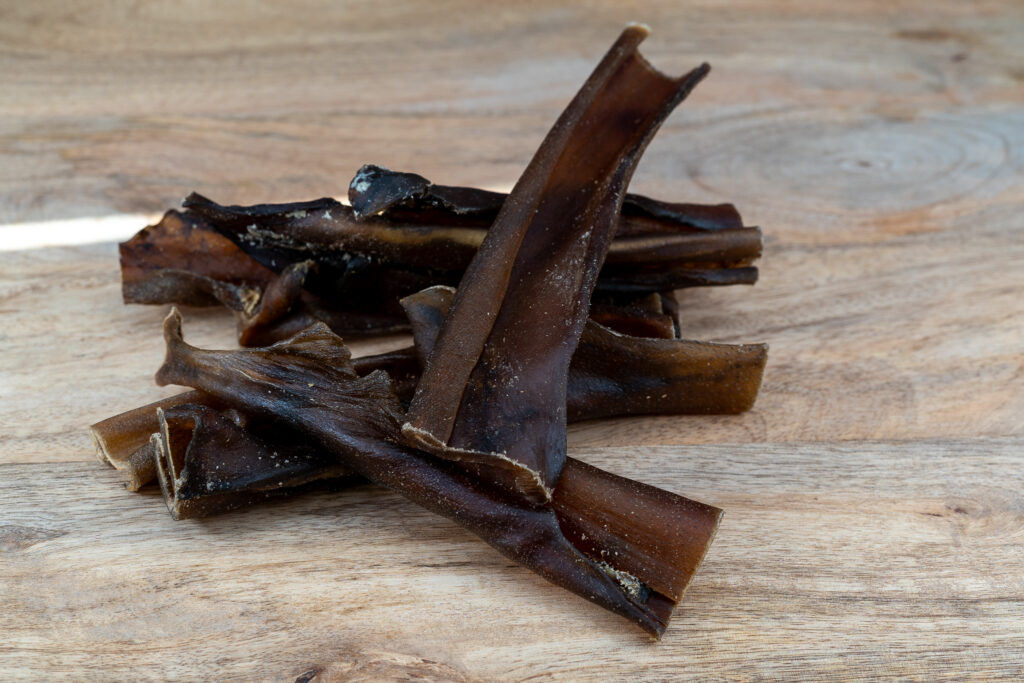
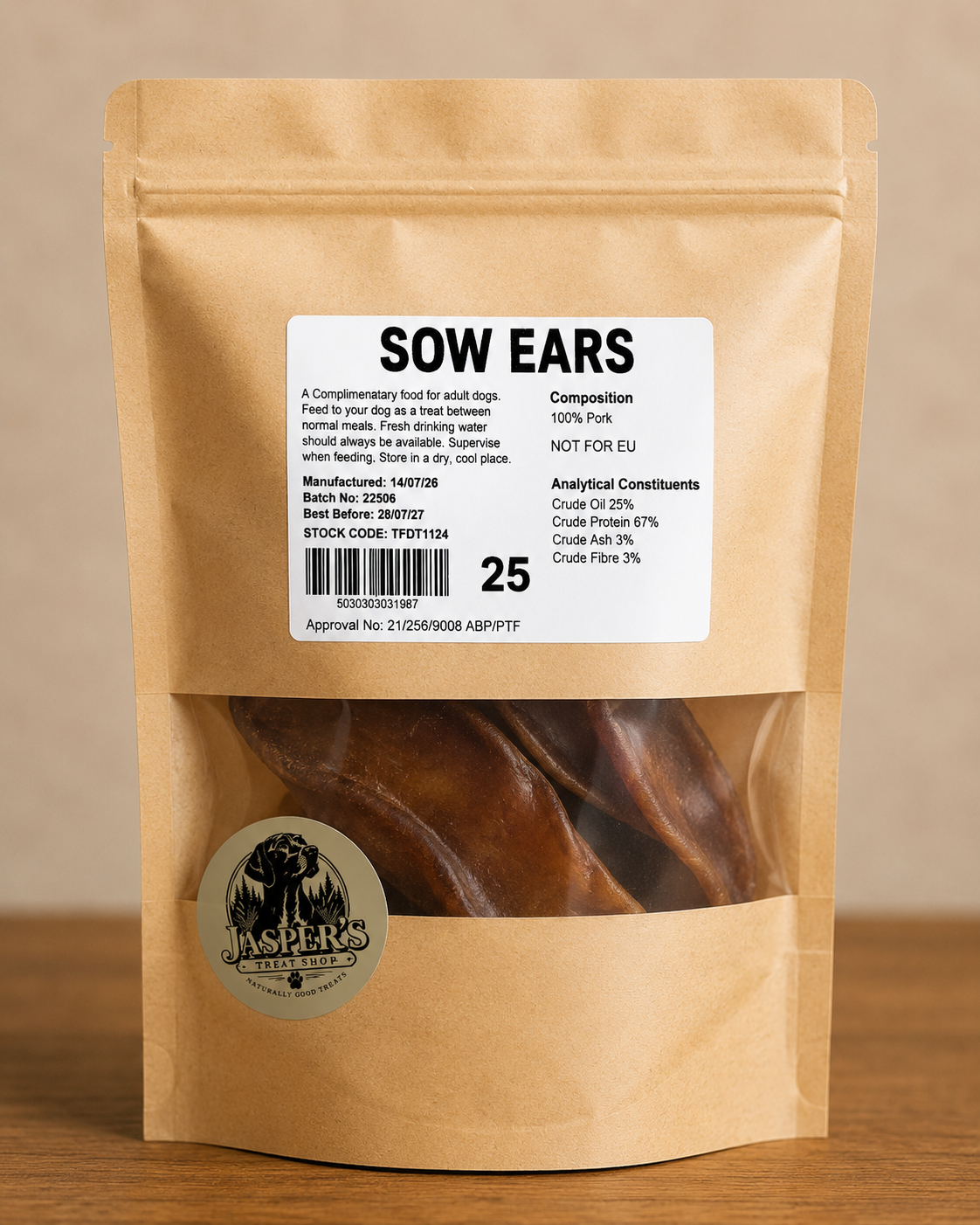
- Longer-lasting chews: Lamb Ears with Fur, Sow Ears and Air Dried Pigs Ear Strips offer extended chewing time for dogs that enjoy working at a chew.
- Alternative chews: Beef Tripe Sticks and natural buffalo dog treats provide variety for dogs who like different textures.
Use product names as a starting point, and always check the packaging for any guidance on suitability for puppies, seniors or dogs with specific dietary needs.
Feeding amounts and treating responsibly
Treats are part of your dog’s daily intake. Keep treats as a reasonable portion of overall food to maintain a balanced diet. For training, use very small pieces so you can reward frequently without adding too many extra calories. If you’re unsure about portion sizes, refer to the manufacturer’s guidance on the packet or ask your vet for personalised advice.
Safety: supervision, choking risks and storage
Supervise chewing
Always supervise dogs with chews, especially new types. Even natural chews can fragment; watching your dog lets you intervene if a piece becomes a choking hazard.
Choking and blockages
Be cautious with hard or large pieces that could be swallowed whole. If a dog tends to gulp treats, break them into smaller pieces or switch to softer options suitable for training.
Storage and shelf life
Store natural treats in a cool, dry place and seal packets after opening to keep them fresh. If a treat smells off, has an unusual texture or visible mould, discard it. For longer storage, follow any guidance on the packaging.
Using treats for training and enrichment
Training tips
- Keep training treats handy and within reach so you can reward immediately.
- Use high-value treats (special flavours) for new or difficult behaviours, and lower-value ones for routine reinforcement.
- Keep pieces small for repetitive rewards — pocket-sized training treats are designed for this purpose.
Enrichment ideas
Use natural treats in food-dispensing toys, hide small pieces around the home for scent games, or stuff them into lick mats for calming sessions. Rotate treat types to keep interest high.
Allergies, intolerances and special diets
If your dog has a known allergy, choose single-protein treats that avoid the trigger ingredient. Introduce any new treat gradually and monitor for signs of intolerance such as digestive upset or skin changes. For dogs on prescription diets or with complex medical issues, talk to your vet before adding new treats.
Choosing ethically and sustainably (what to look for)
Many owners want treats that align with their own values. Look for clear labelling about the primary ingredient and how the product is described. Where possible, choose treats that fit your preferences for animal origin or production style. If sustainability is a priority, ask retailers about sourcing and production practices.
When to seek professional advice
If your dog shows persistent digestive problems, unexplained weight changes, or other health concerns after eating treats, consult your vet. A professional can advise on allergies, dietary balance and whether certain treat types are suitable for your dog.
Summary
- Choose treats suited to the activity: small and soft for training, longer-lasting for chewing.
- Match size and toughness to your dog’s age and chewing style and supervise longer chews.
- Introduce new treats one at a time and check for adverse reactions.
- Store treats properly and discard anything that seems off.
- Consult your vet for dogs with health or dietary concerns.
Further reading and related pages
For a deeper look at specific treats and concerns, see our related guides listed below.
Frequently asked questions
Are natural dog treats safe for all dogs?
Natural treats can be a good option for many dogs, but safety depends on the individual dog’s age, chewing style and any allergies. Introduce new treats gradually, supervise chews, and consult your vet if your dog has health issues or known food sensitivities.
What treats are best for training?
Small, soft, high-value treats work best for training because they can be eaten quickly and allow frequent rewards. Pocket-sized training treats are designed for this purpose and are useful during sessions and walks.
How should I store natural dog treats?
Keep treats in a cool, dry place and reseal packets after opening. If a treat smells off, is discoloured or shows signs of mould, discard it. Follow any storage guidance on the product packaging.
Can I give my dog pig or lamb ears?
Many owners offer dried ears as occasional chews. If you choose to give ears, supervise your dog while they chew and select an appropriate size. If you’re unsure whether a particular chew is suitable for your dog, check with your vet.
How can I manage treat calories?
Use small pieces for training, reserve higher-value treats for difficult tasks, and account for treats as part of your dog’s daily intake. If you’re concerned about weight, speak to your vet for tailored advice.