Rabbit treats are becoming more popular with dog owners in the UK, especially for dogs that need variety or have shown sensitivity to more common proteins. This guide explains the different kinds of rabbit treats available, how to introduce them safely, and what to watch for so your dog can enjoy them as part of a balanced routine.
What do we mean by “rabbit treats”?
“Rabbit treats” covers a range of products made from rabbit in different forms. At Jasper’s Treat Shop you can find examples such as rabbit burgers, muscle meat sticks and rabbit ears — all sold as natural dog treats. Some are sold as pocket-sized training treats, others as chew-type or meaty treats suitable for reward and enrichment.
Common formats you may encounter:
- Soft, meaty treats and training sticks (easy to break into smaller pieces during training)
- Small burgers or portioned treats for everyday rewards
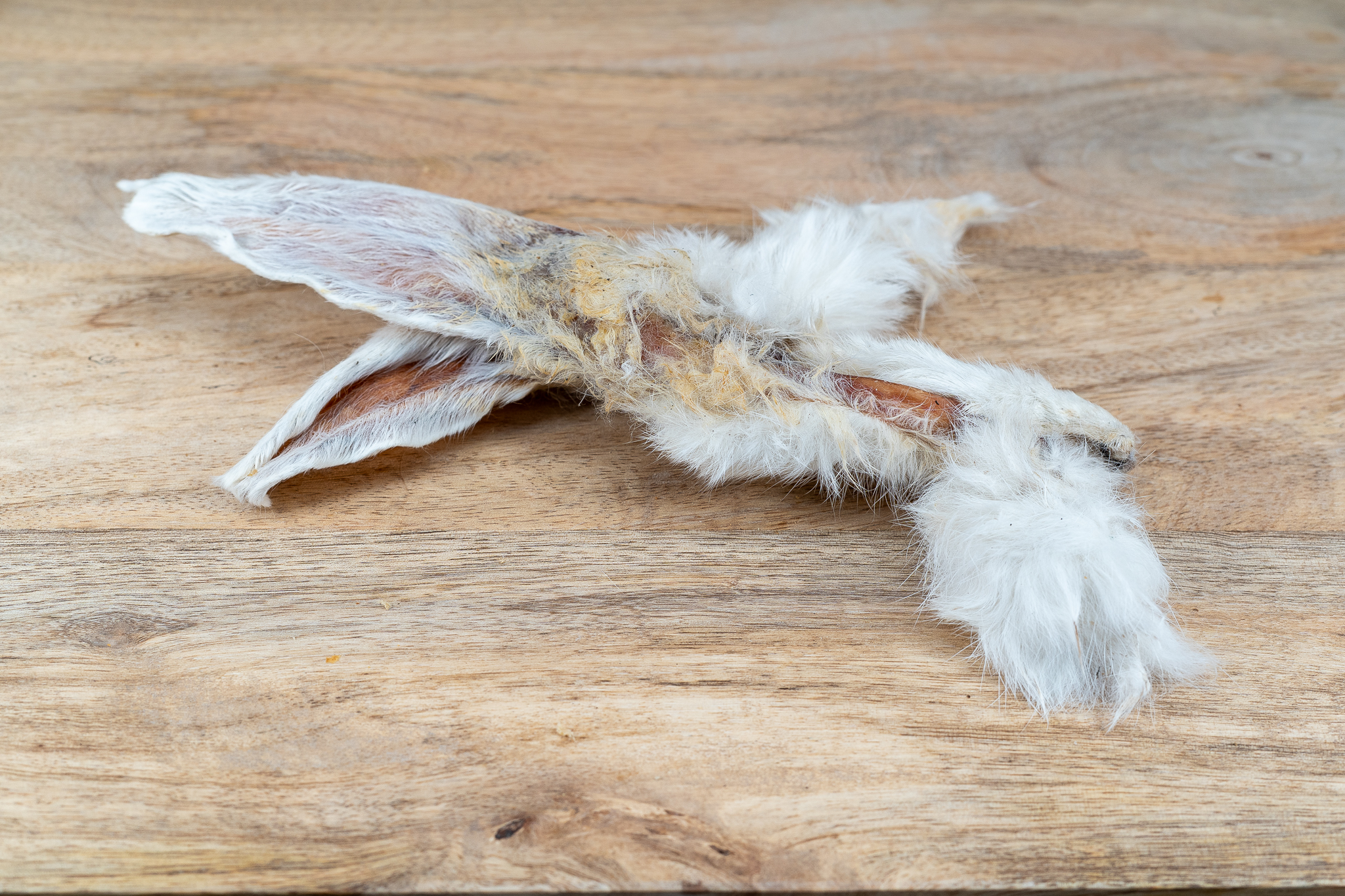
- Naturally formed chews such as rabbit ears that provide a different chewing experience
Browse Jasper’s rabbit range here: Rabbit Dog Treats.
Are rabbit treats safe for dogs?
For many dogs, rabbit treats are a safe and acceptable option — but “safe” depends on the individual dog and the type of treat. Before giving any new treat, consider your dog’s age, size, chewing style and dietary history.
Key safety points:
- Introduce any new food gradually and in small amounts, watching for digestive upsets such as loose stools or vomiting.
- If your dog has had allergic reactions or food sensitivities to proteins in the past, check with your vet before swapping to a new protein source.
- Supervise dogs when they’re chewing natural chews, especially if the product can be broken into pieces that might be swallowed whole.
When in doubt about a medical reaction or a severe intolerance, seek advice from your veterinary practice.
Why some owners choose rabbit treats
Owners pick rabbit treats for several practical reasons:
- Novel protein: Rabbit is less commonly used than beef, chicken or pork, so it can be a useful alternative when a dog has reacted to more typical proteins.
- Variety: Offering different proteins can help keep treats interesting, particularly for fussy dogs or during training sessions.
- Suitable training options: Some rabbit products come in training-friendly formats that are easy to carry and break into smaller pieces.
Remember that introducing a new protein should be done thoughtfully and tracked so you can spot any changes in tolerance.
Choosing the right rabbit treat for your dog
Pick a rabbit treat based on your dog’s needs and how you plan to use it:
- Training rewards: Choose small, soft pieces that are quick to eat and easy to break into smaller portions. Jasper’s rabbit muscle meat sticks are available in training-friendly packs: Rabbit Muscle Meat Sticks.
- Everyday rewards: Portion-controlled rabbit burgers come in single or multi-packs and make handy, meaty treats. See: Rabbit Burgers for Dogs.
- Chewing/enrichment: If your dog enjoys gnawing, natural chews such as rabbit ears offer a different texture and experience. Jasper’s Hairy Rabbit Ears are an example: Hairy Rabbit Ears for Dogs.
Also consider your dog’s size and jaw strength. A small or toy breed may need soft treats or tiny pieces, while a larger, robust chewer may manage different formats — but always supervise.
How to introduce rabbit treats safely
Follow these simple steps when bringing rabbit treats into your dog’s routine:
- Start small: Offer one small piece and wait 24–48 hours to check for any tummy changes or skin reactions.
- Mix and observe: If you’re adding rabbit treats to an existing diet, factor them into your dog’s usual treat allowance so you don’t overdo daily calories.
- Use appropriate pieces for training: Break treats into smaller bites for repetitions so your dog isn’t too full and remains motivated.
- Keep a close eye: Watch for signs of intolerance such as scratching, ear shaking, vomiting or changes in stool. If you see worrying signs, stop the treat and contact your vet.
For practical guidance on how many training treats to feed during a session, Jasper’s existing guide on training treat limits is useful: How Many Training Treats Can a Dog Have a Day?
Storage and handling
Keep rabbit treats in a cool, dry place and follow any storage instructions on the pack. Once opened, use within the recommended timeframe to maintain freshness. For chews and natural treats, discard any large fragments that could present a choking risk.
Common safety concerns
- Choking and blockages: Some chews can splinter or be swallowed in large pieces. Supervise and choose a treat size appropriate to your dog.
- Allergic reactions: Although less common than to chicken or beef, reactions can still occur. Watch for skin or digestive signs.
- Suitability for puppies: Puppies have developing teeth and digestive systems. Some rabbit treats are marketed for puppies; check product information and consult your vet before giving to young pups.
Practical tips for UK owners
- Try one format first: Buy a small pack (or single) to test tolerance and preference before committing to larger quantities.
- Use rabbit treats as high-value rewards: If your dog loves rabbit, use these treats for important training or difficult distractions.
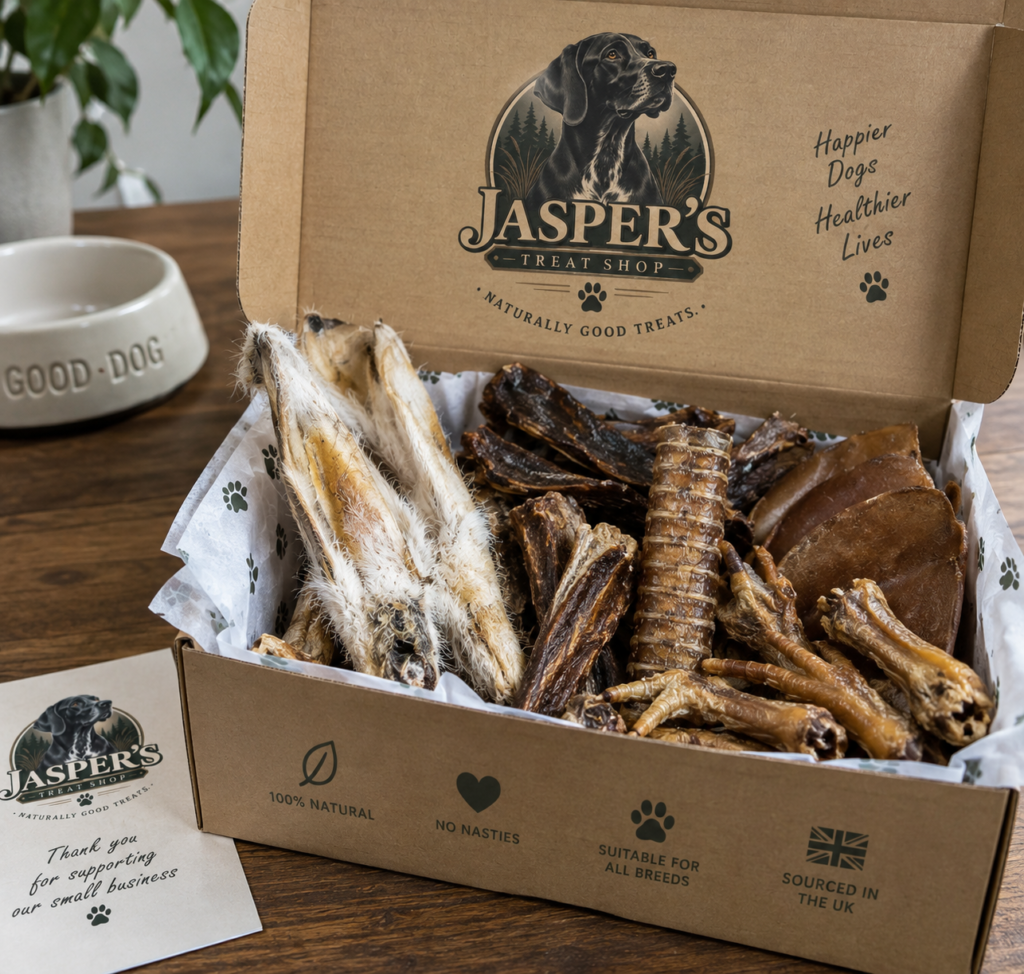
- Include rabbit options in treat boxes or variety bundles so you can rotate proteins safely — Jasper’s Treat Boxes often include mixed natural treats to suit different preferences: Treat Boxes.
- Read the product description: Look for notes on intended use (training, everyday reward, chew) to ensure it matches your dog’s needs.
When to avoid rabbit treats
Consider skipping rabbit treats if your dog has a known adverse reaction to novel proteins, a history of food allergies, or a tendency to swallow large pieces without chewing. Always consult your veterinary practice if your dog has ongoing dietary or skin issues before introducing new proteins.
Where to find rabbit treats at Jasper’s Treat Shop
Explore the rabbit selection and choose products designed for training, everyday rewards or chew-time:
- Rabbit Dog Treats category — the full range of rabbit options.
- Rabbit Muscle Meat Sticks — training-style treats.
- Rabbit Burgers for Dogs — meaty snack portions.
- Hairy Rabbit Ears for Dogs — chew experience for enrichment.
Summary
Rabbit treats can be a useful and enjoyable option for many dogs, particularly as an occasional alternative protein or as a high-value training reward. Introduce them slowly, choose an appropriate format for your dog’s size and chewing style, and keep an eye out for any signs of intolerance. If your dog has a history of allergies or medical issues, check with your vet first.
Want to explore rabbit treats? Start with a small pack or a training-style stick and see how your dog responds — and if you need help choosing, take a look at Jasper’s rabbit range here.
Frequently asked questions
Frequently asked questions
Are rabbit treats hypoallergenic?
No treat can be guaranteed hypoallergenic for every dog. Rabbit is often used as a 'novel' protein because it’s less common in diets, so some dogs with sensitivities to beef or chicken tolerate it better. If your dog has known food allergies, speak to your vet before switching proteins and introduce rabbit treats gradually while monitoring for reactions.
Can puppies have rabbit treats?
Some rabbit treats are suitable for puppies, especially softer, training-style treats that are easy to chew and swallow. Always check the product guidance and consult your vet if your puppy is very young or has special dietary needs. Break treats into small pieces for training to avoid overfeeding.
How often can I give rabbit treats to my dog?
Treat frequency depends on your dog's overall diet, size and activity level. Use rabbit treats as part of your dog’s treat allowance and avoid replacing complete meals with treats. For advice tailored to your dog’s daily calories and weight management, speak with your vet.
Are rabbit ears safe for dogs to chew?
Rabbit ears provide a different chewing experience and many dogs enjoy them. Supervise chewing sessions and select an ear size appropriate for your dog. Remove and discard any small or sharp fragments that could pose a choking risk. If your dog is a very aggressive chewer, choose a format less likely to break into large pieces.
What should I do if my dog has a bad reaction after eating rabbit treats?
If your dog develops vomiting, diarrhoea, swelling, difficulty breathing or other worrying signs, contact your veterinary practice immediately. For minor digestive upset or increased scratching, stop the treat and consult your vet for next steps and testing if needed.